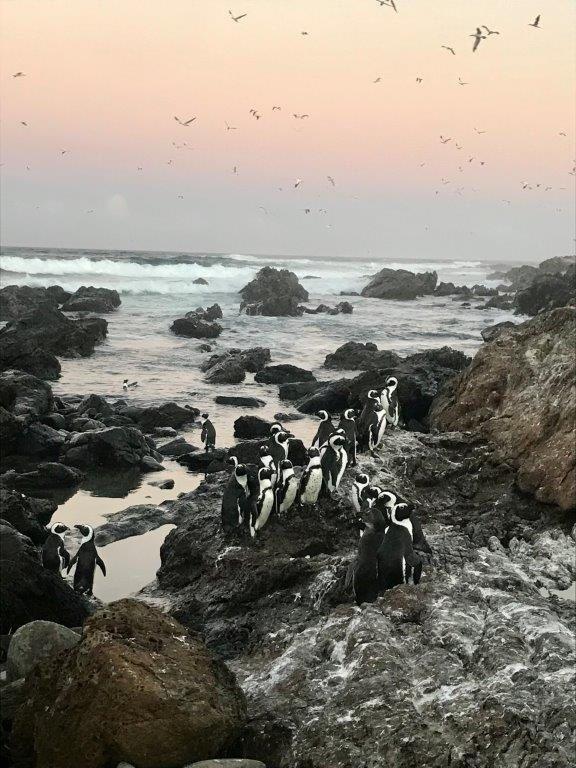
According to the report released by the South African Civil Aviation Authority (SA CAA) in early April, the R-44 Raven was carrying out an aerial survey of Bird Island in January 2025, with a pilot and three research specialists on board. Bird Island (and nearby St Croix Island) are home to 60 per cent of the global population of the rare African penguin. After completing the survey, the R-44 landed on the island, and one of the researchers asked that they transport a penguin back to their departure airport.
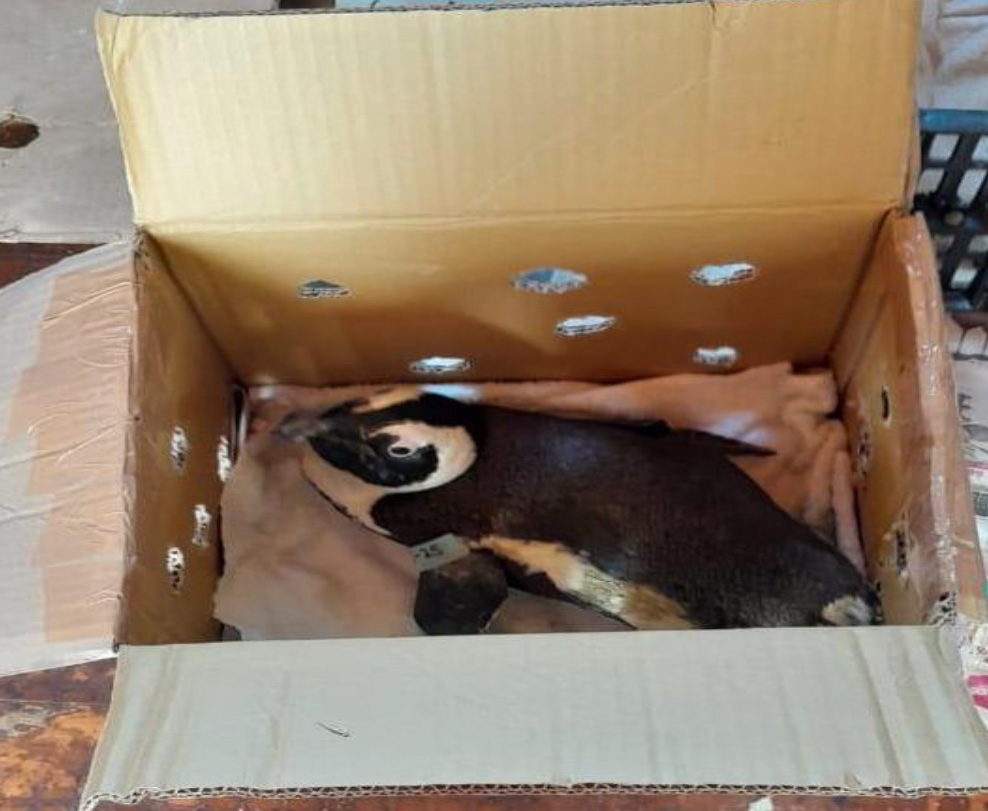
The pilot agreed, and the penguin was placed in a cardboard box. The researcher sat in the front left seat of the helicopter, nursing the cardboard box in his lap. The R-44 lifted off, and when about 15 metres above ground level, the box slid off the passenger’s lap to the right, hitting the cyclic pitch control lever and pushing it to the far right position.
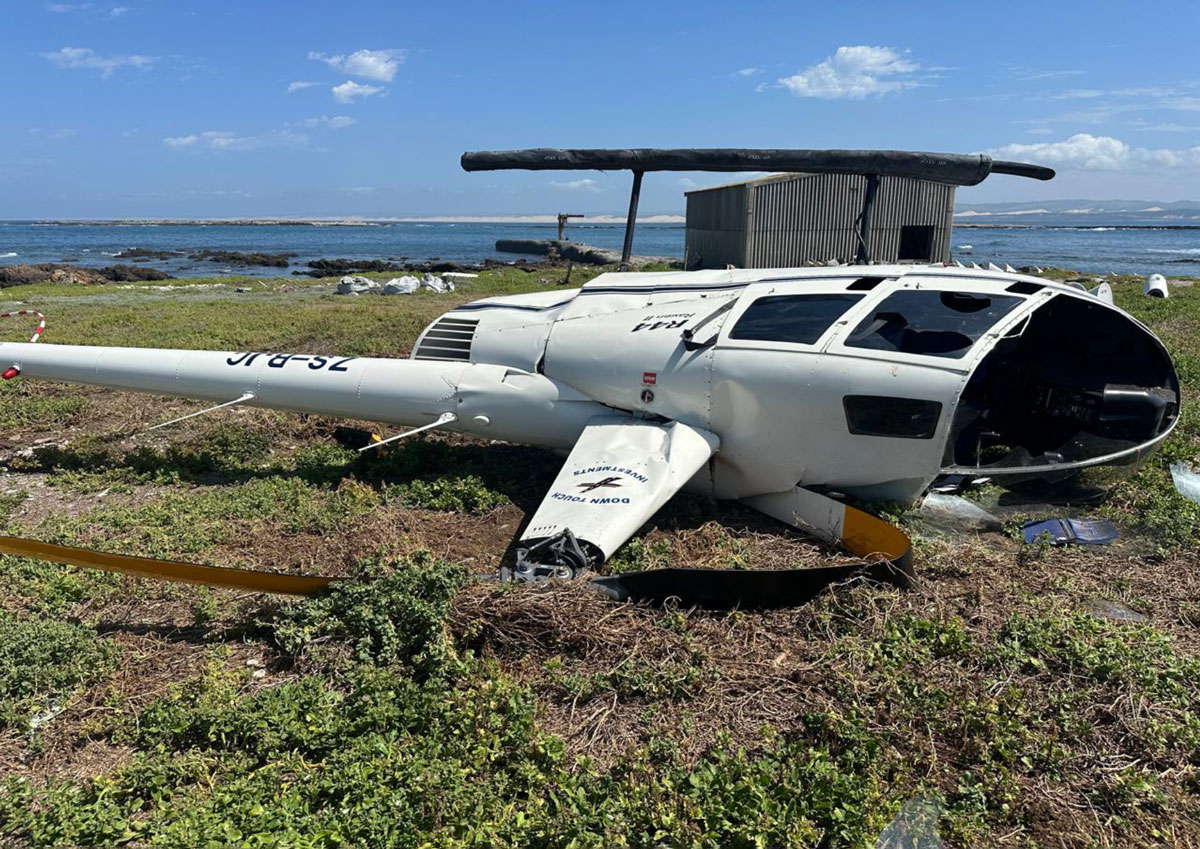
The pilot was unable to correct the aircraft’s roll to the right in time, and the main rotor blade hit the ground, causing substantial damage to the R-44. Thankfully, the pilot, passengers and penguin were unharmed.
The SA CAA report reinforced the need to adhere to standard operating procedures, and the pilot’s responsibility for ensuring that all loads (including wildlife) in the cabin are secured to prevent movement during flight.
African penguin fast facts
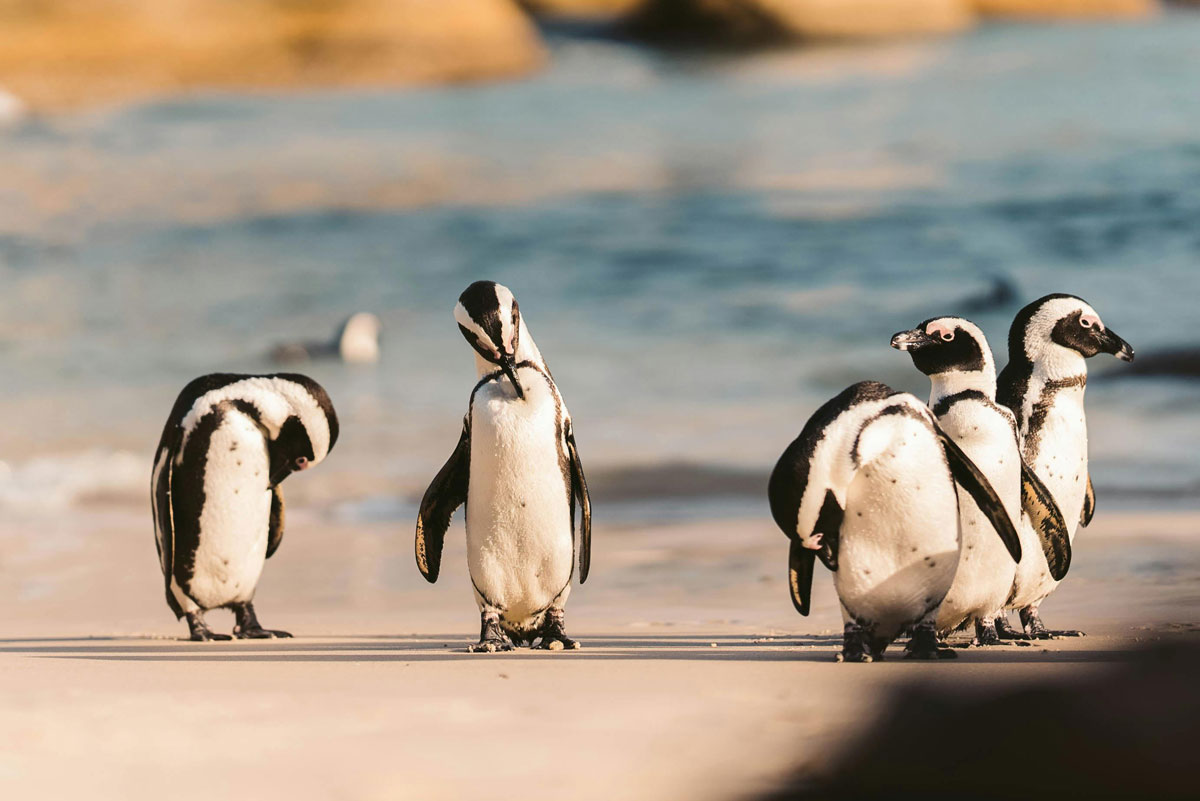
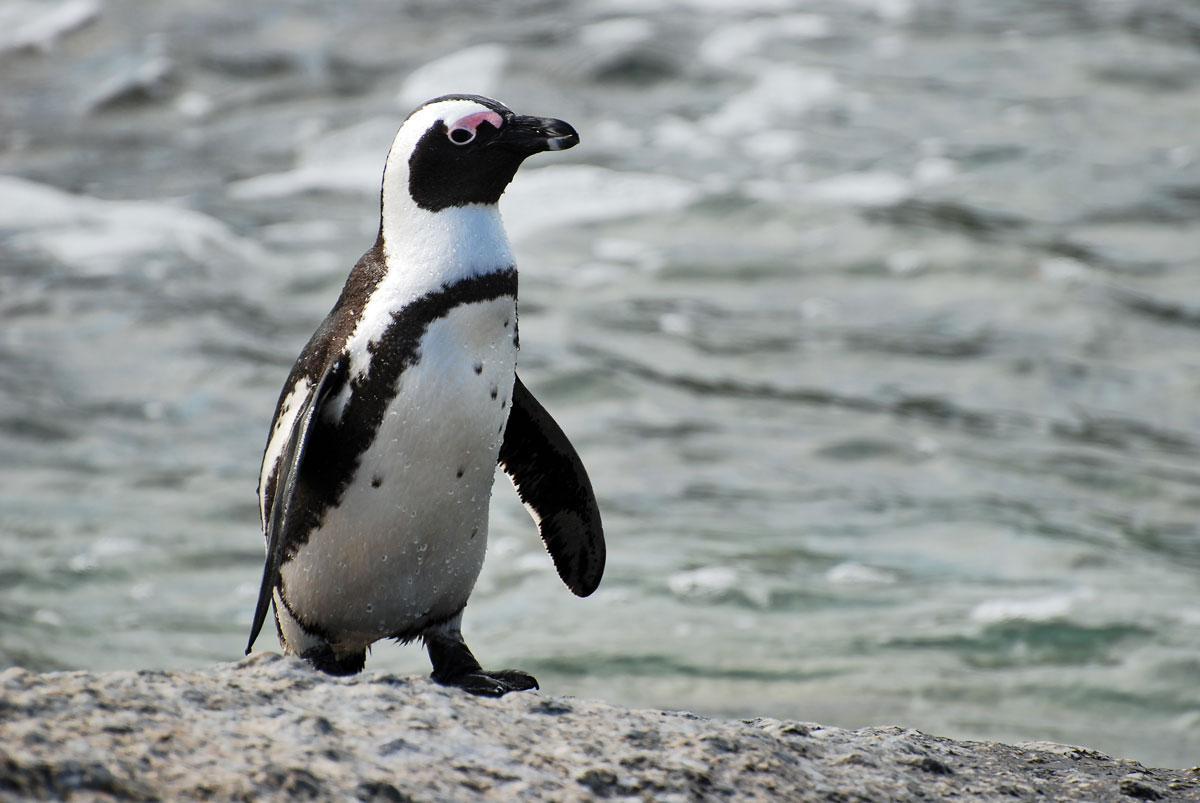
- Adults weigh an average of 2.2–3.5 kg (4.9–7.llb) and are 60–70 cm (24–28 in) tall. They have distinctive pink patches of skin above the eyes and a black facial mask, with a black upper body and white underparts.
- The African Penguin is in crisis –first classified as ‘endangered’ in 2010, as of 2024 it is now considered to be ‘critically endangered’: the global population has declined by nearly 65 per cent since 1989 and continues to decline (BirdLife International 2020).
- The global population was estimated in 2023 at below 10,000 pairs across South Africa and Namibia.
- It is the only penguin found in the Old World (Europe, Africa, Asia)
- The African penguin forages in the open sea, diving about 25 metres on average to catch fish and squid.
- The African penguin is monogamous; it breeds in colonies and pairs return to the same site each year.