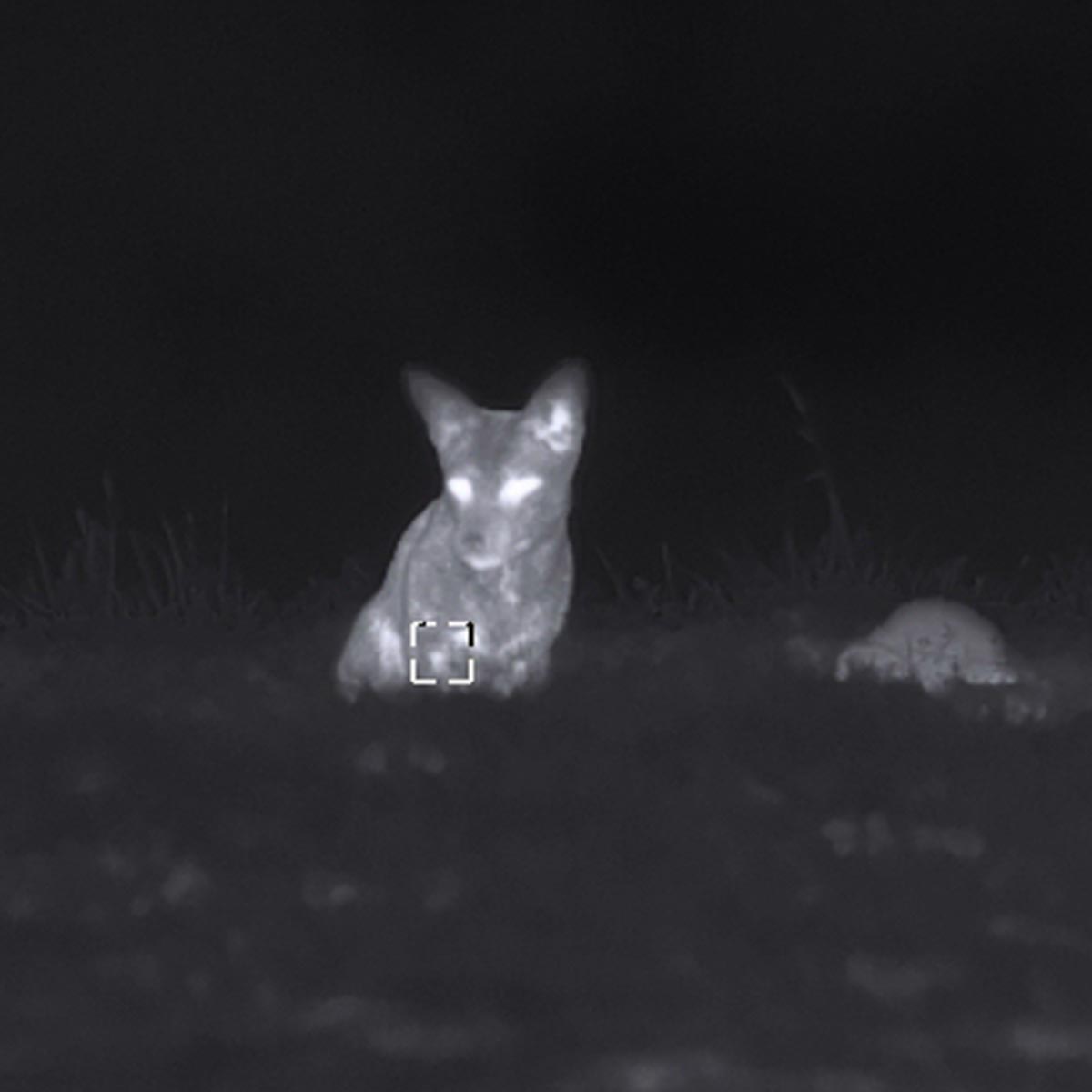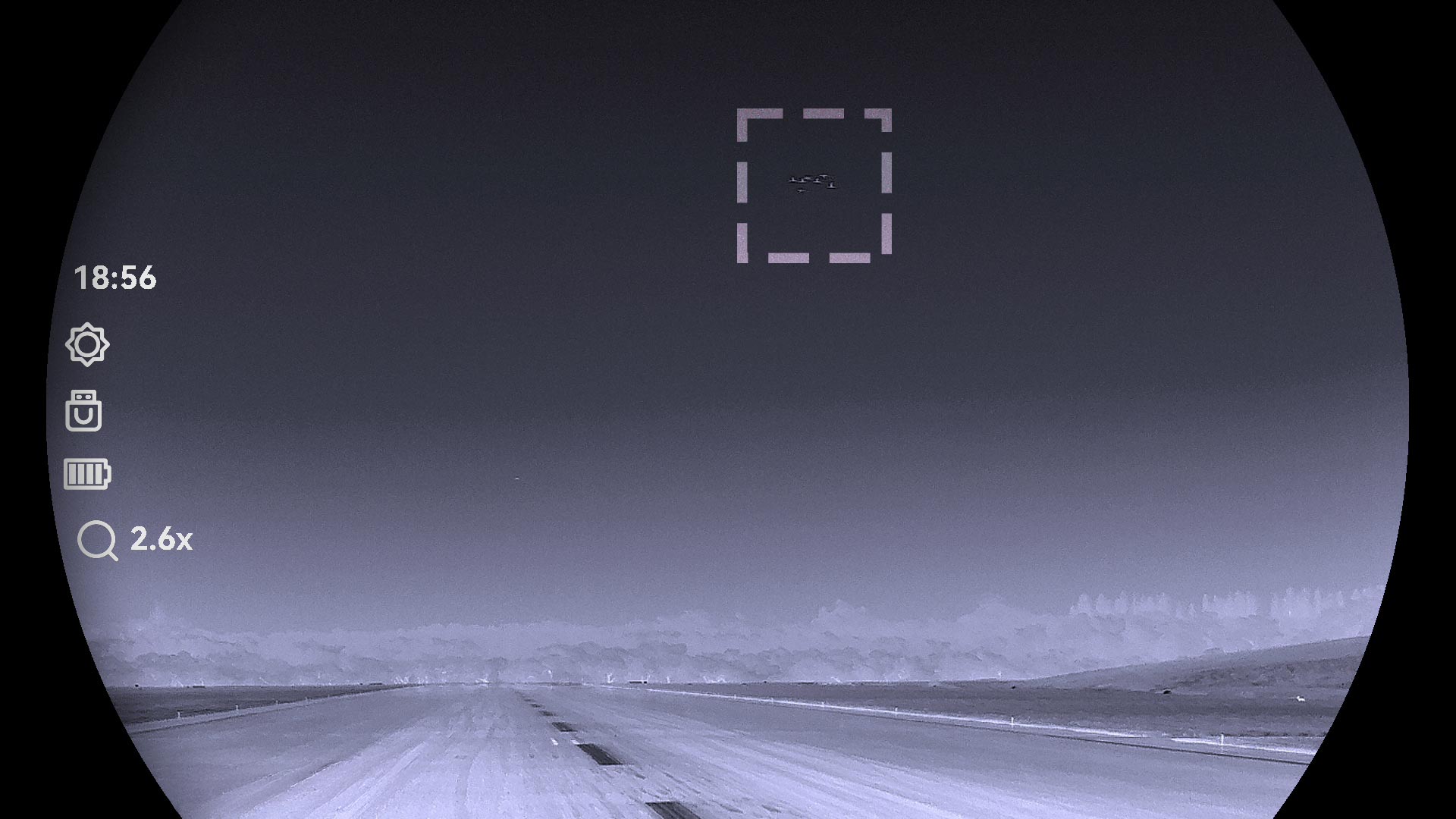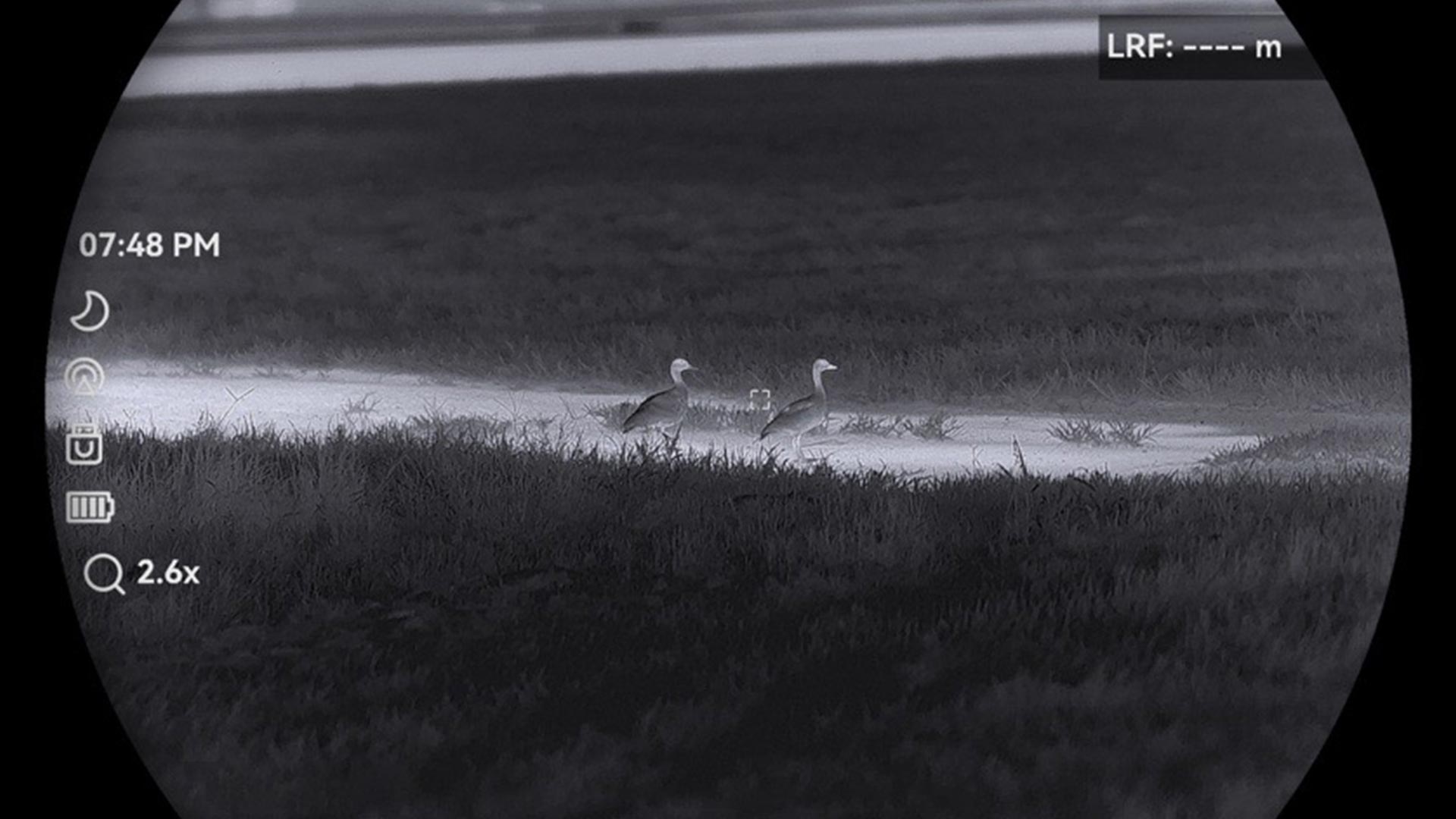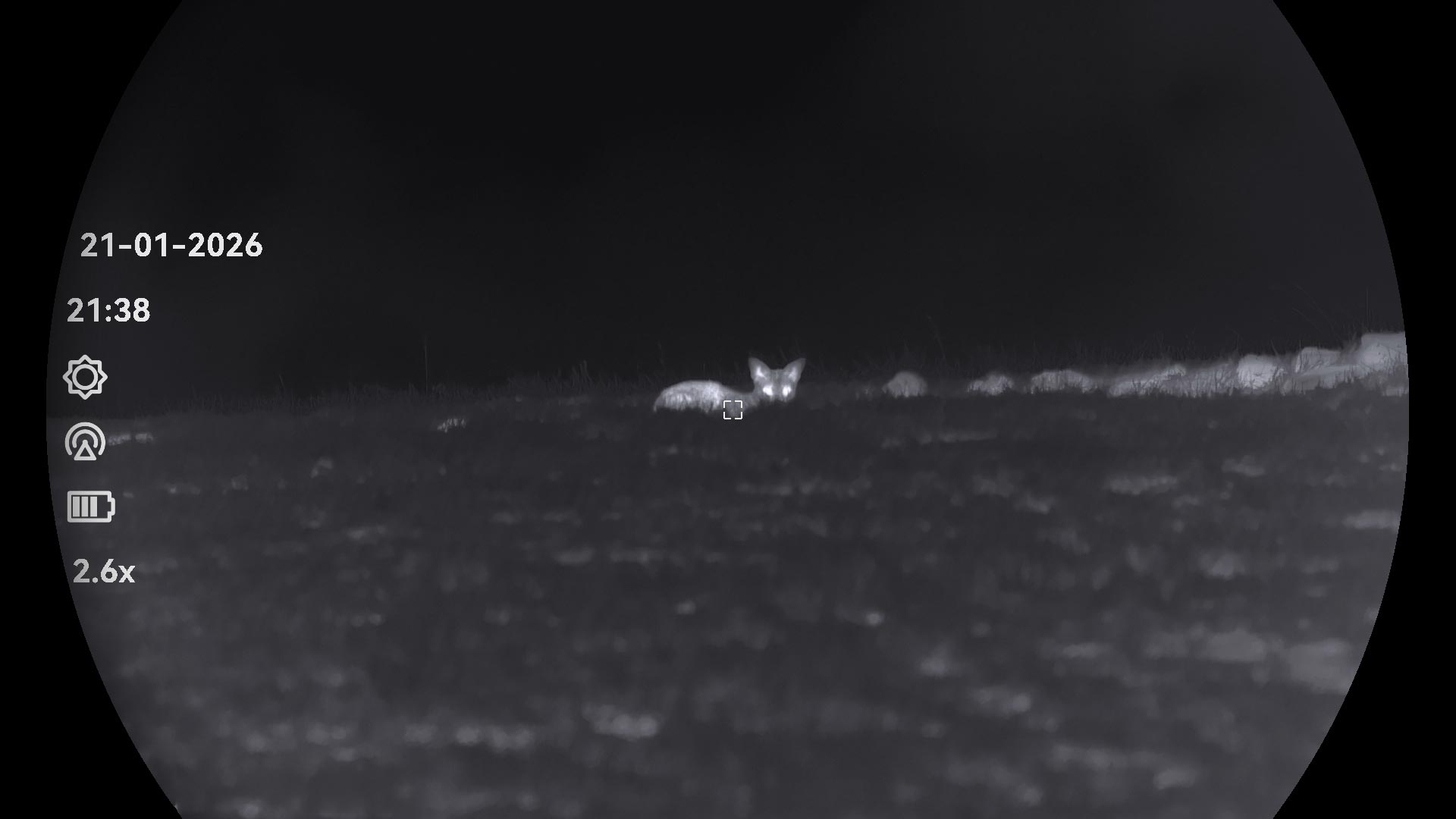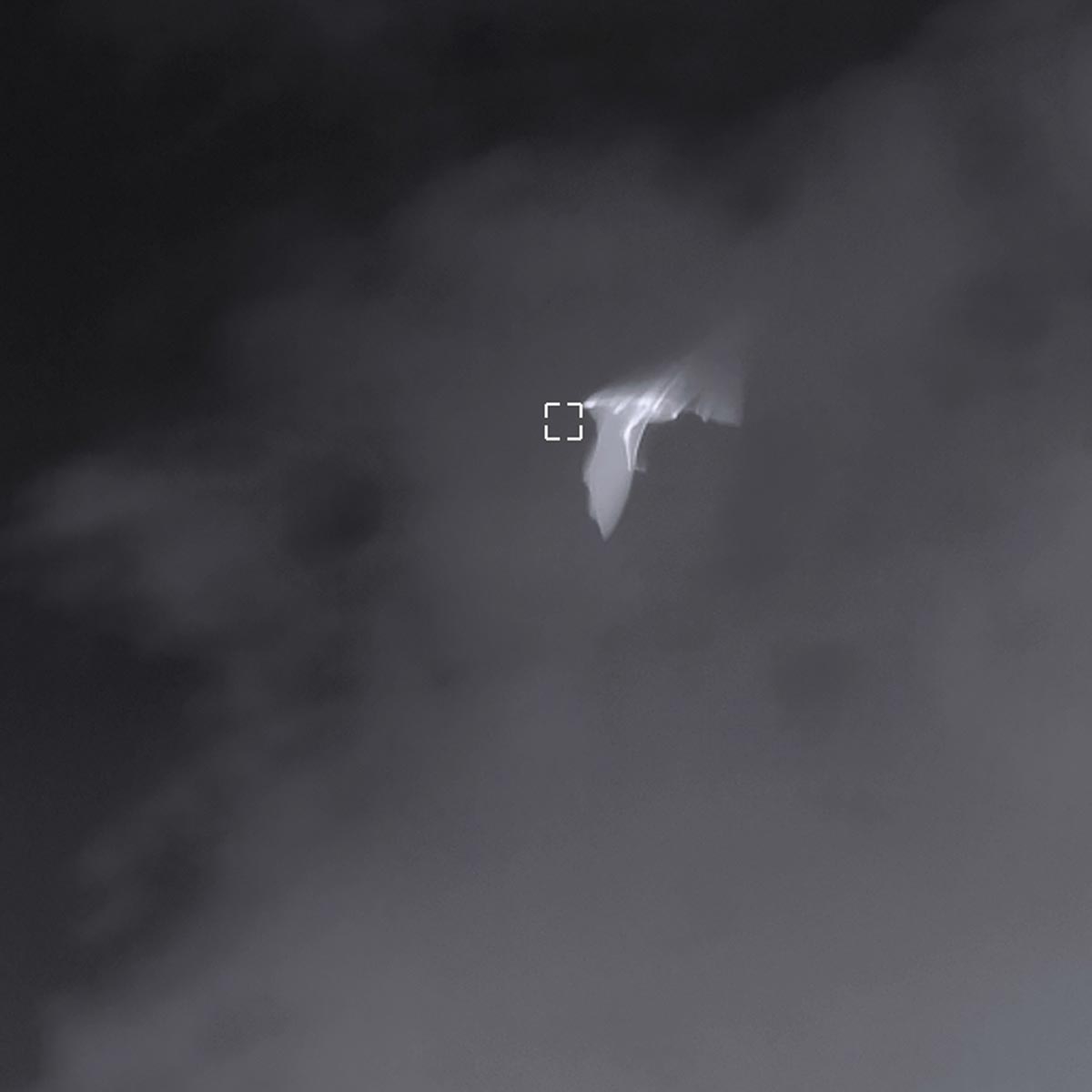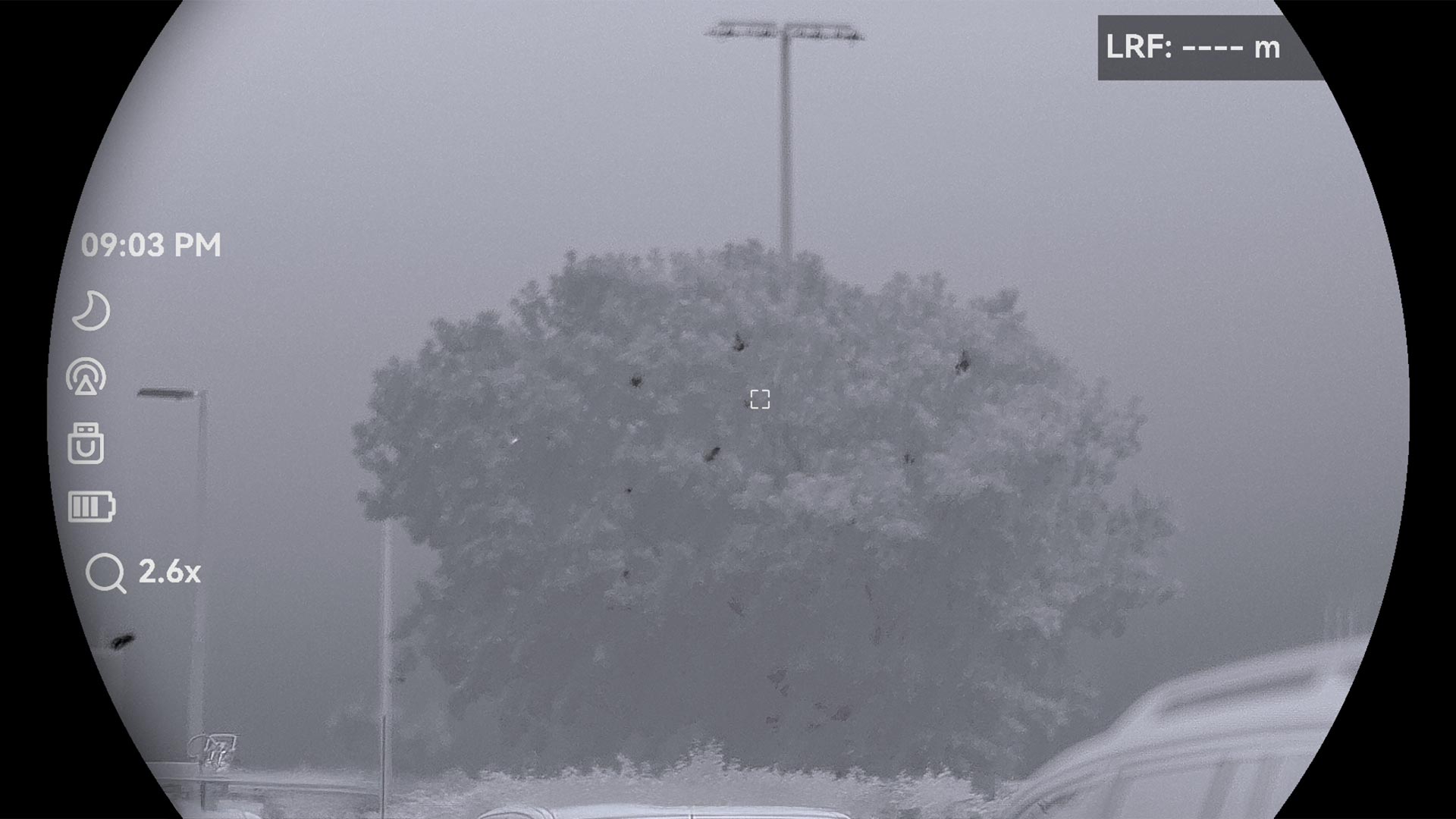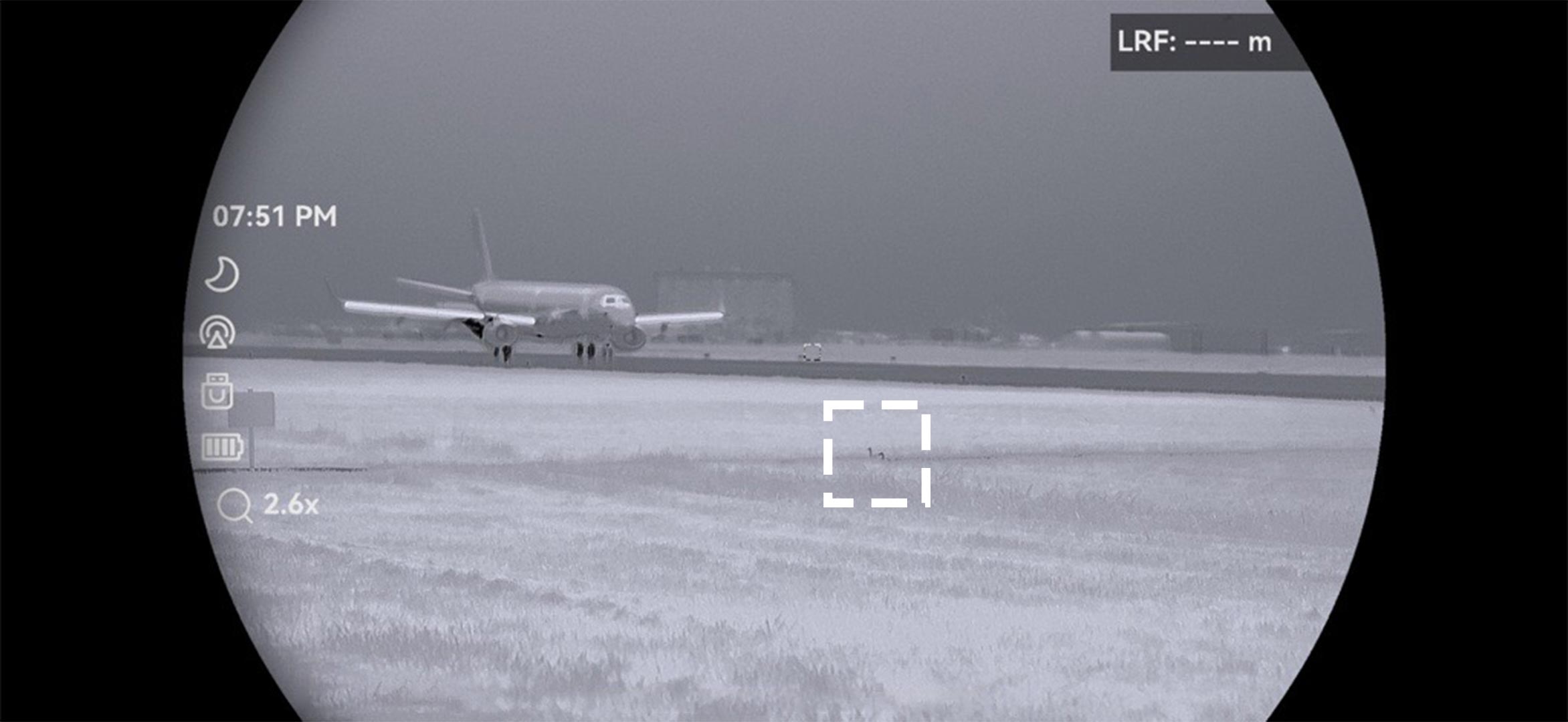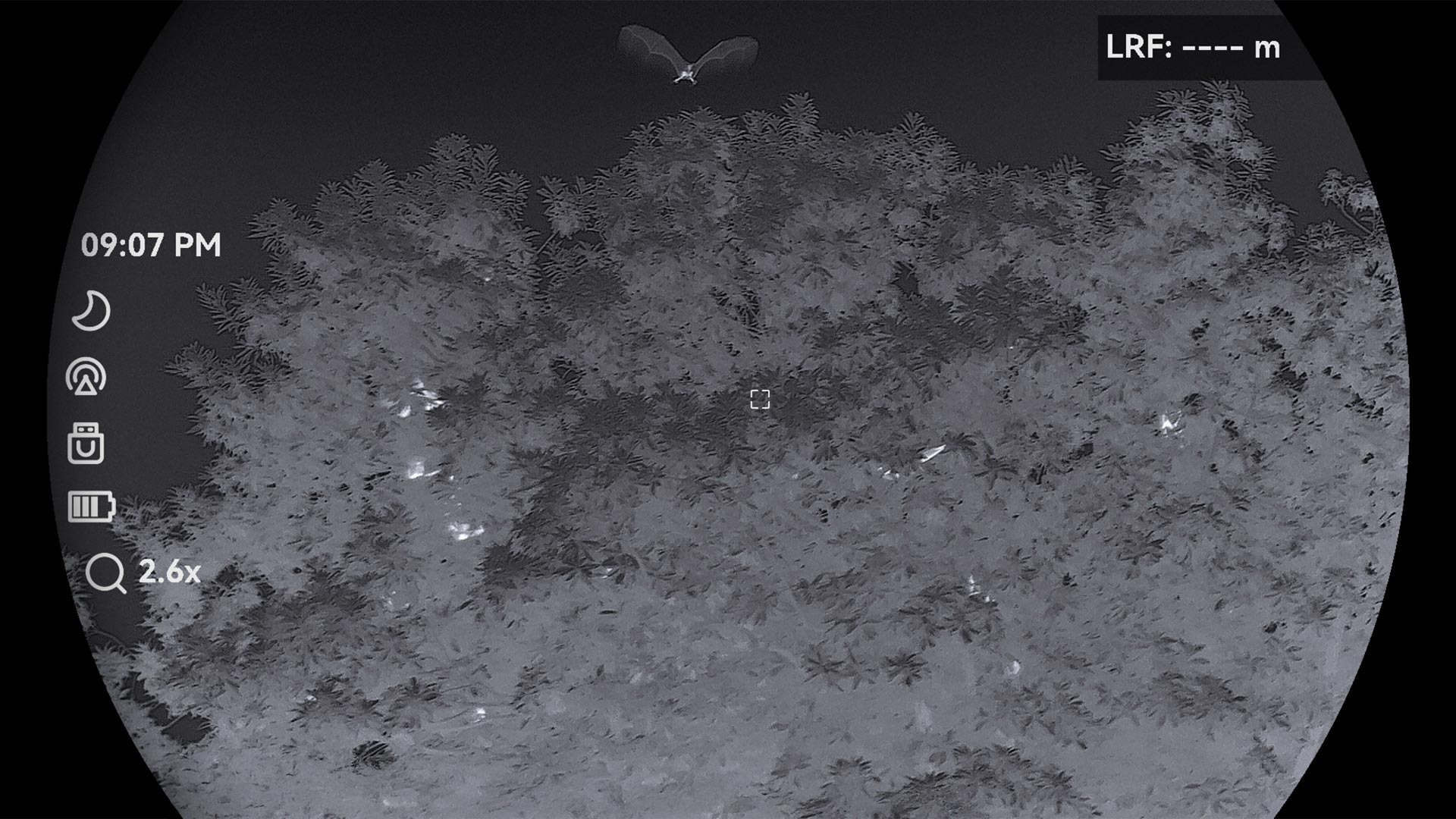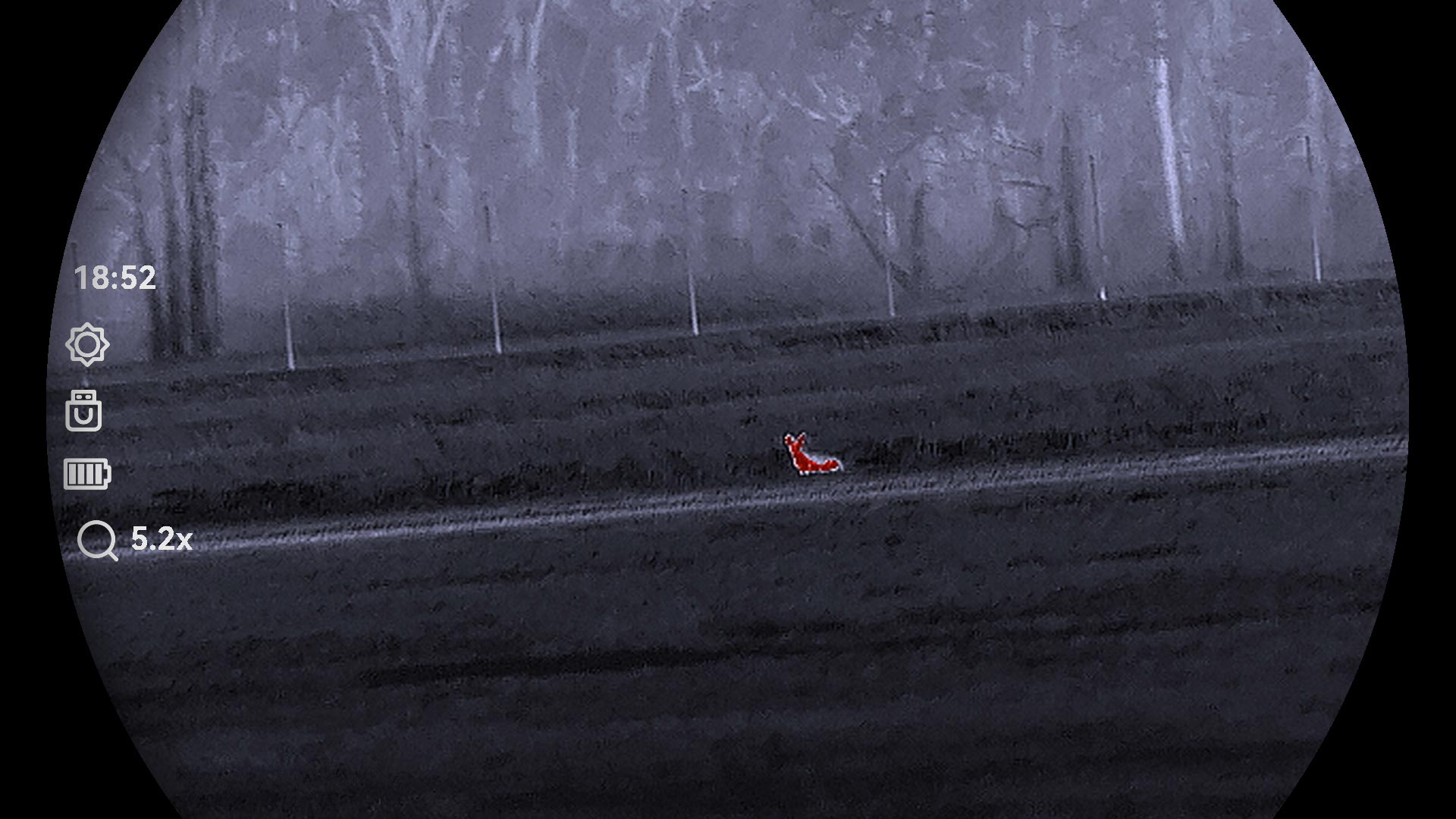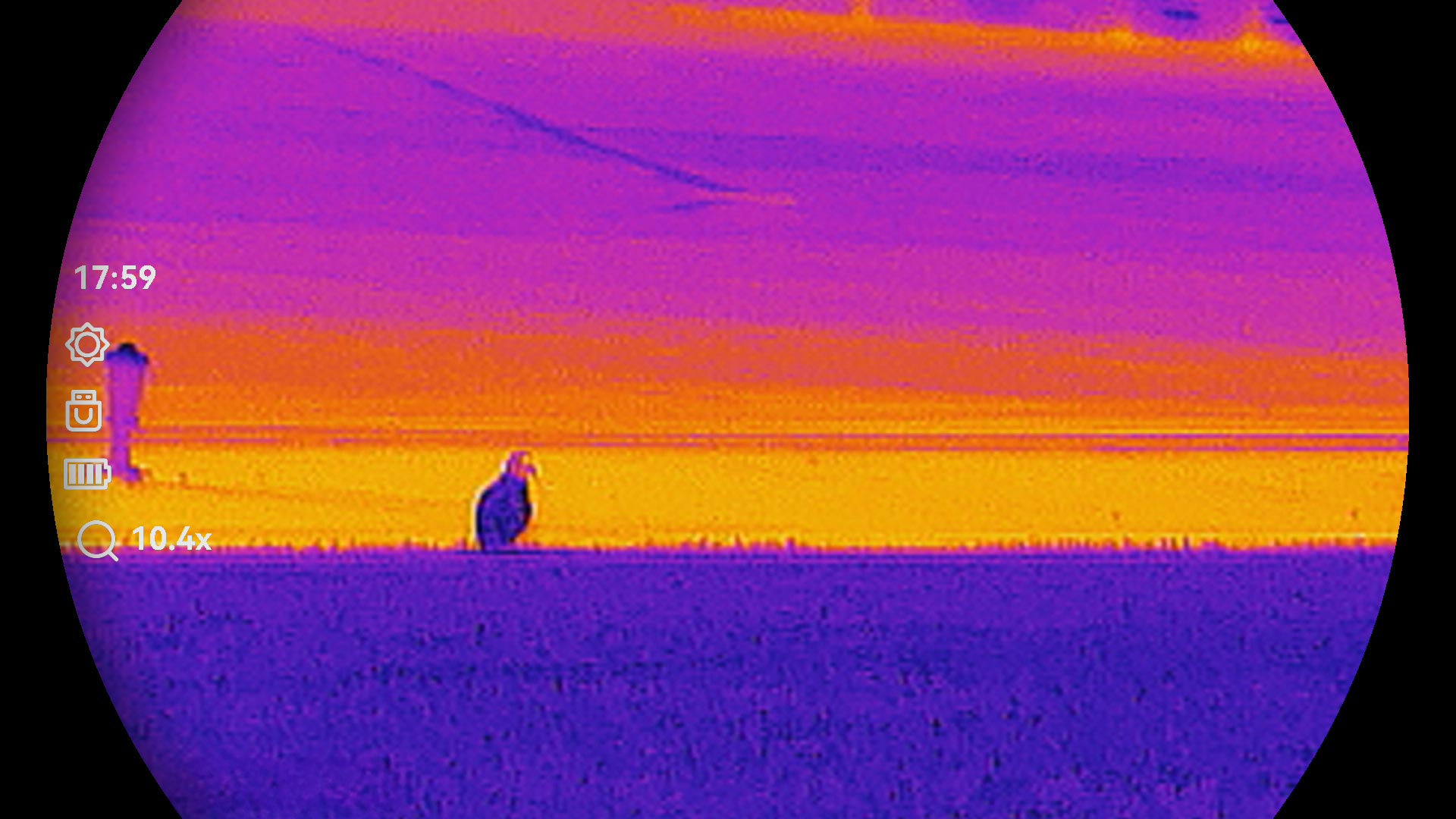
Thermo-imaging equipment enables warm blooded animals to be detected due to their radiation of body heat – with it you can detect animals you can’t see easily with the naked eye.
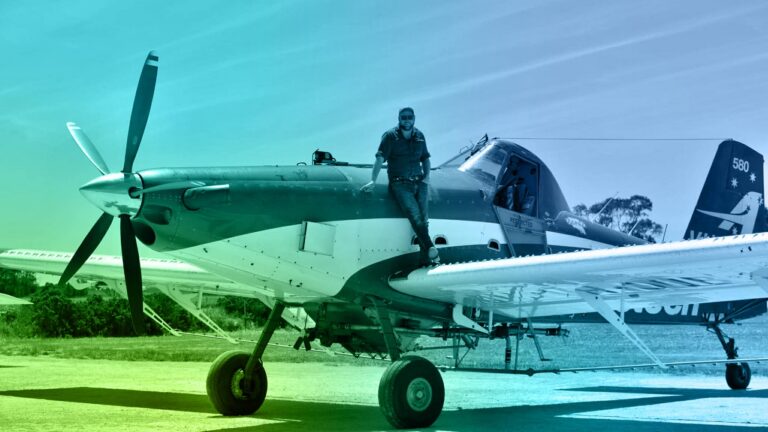
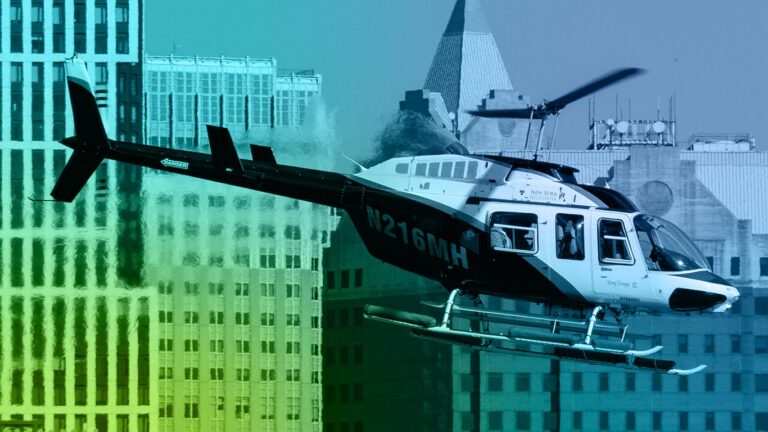
[The images depict a range of nocturnal animals and birds captured by Avisure staff out in the field.)
In a six-year study, ‘Thermal imaging for biodiversity monitoring’, researchers led by José Lahoz-Monfort, a senior lecturer at the University of Melbourne found that ‘thermal cameras have the potential to increase the accuracy and statistical power of wildlife monitoring surveys, especially for night surveys of nocturnal species. Unlike motion detection cameras, thermal imaging cameras also allow researchers to estimate the density of animals across the landscape’, the study added.
Phil Shaw, Avisure founder and managing director explained. ‘Over the years we have seen the technology get better and cheaper, be it binocular, fixed camera or drone based. You can now get excellent yet affordable equipment for nighttime wildlife surveillance.’
While the cost keeps decreasing, the price range depends on the image resolution and whether the unit is radiometric (provides absolute temperature values and therefore greater accuracy) or not (only measures relative temperatures). But if your objective is simply to detect the presence of a species on site, thermal imaging is becoming cost effective, making nighttime species ID more efficient.
If you would like to discuss night vision equipment that is suited to your needs and value for money, please contact us. We have had years of experience in using thermo-optical equipment, and because we do not sell it, you can be assured that you are getting impartial, expert guidance, as we have no vested interest in which brand you purchase.