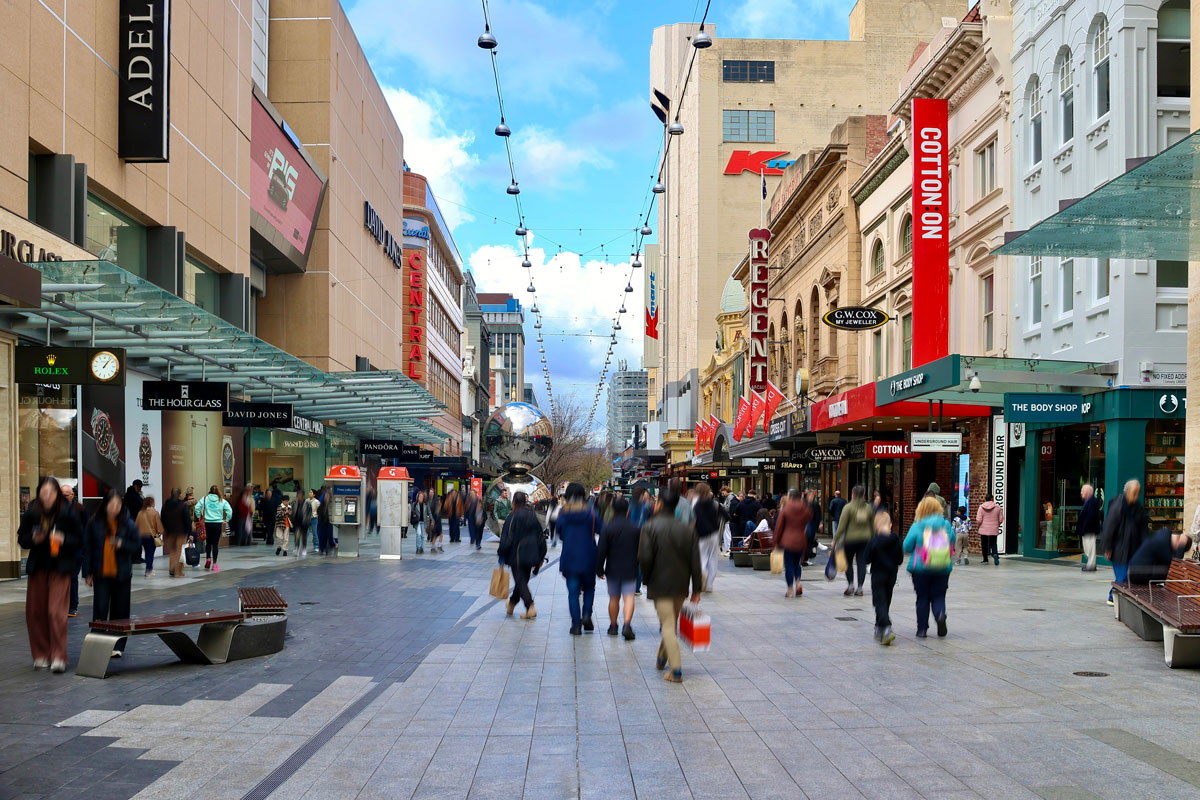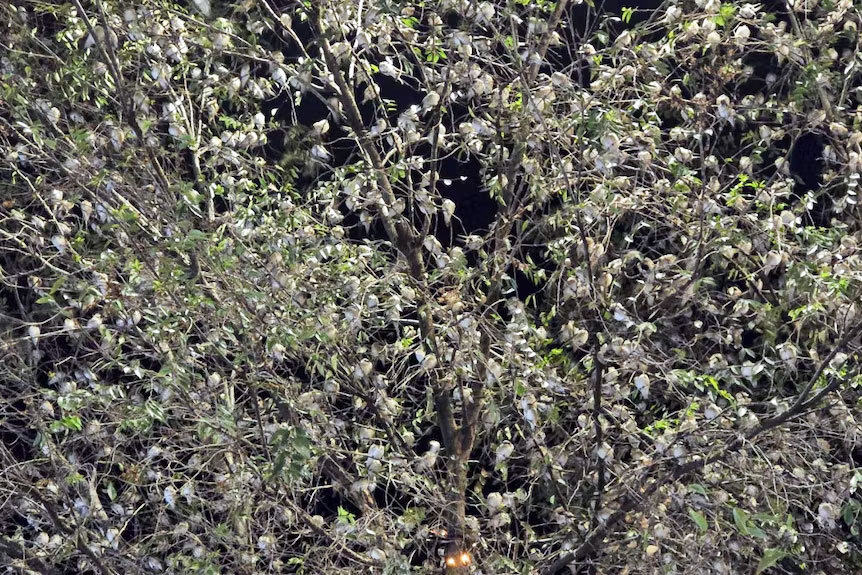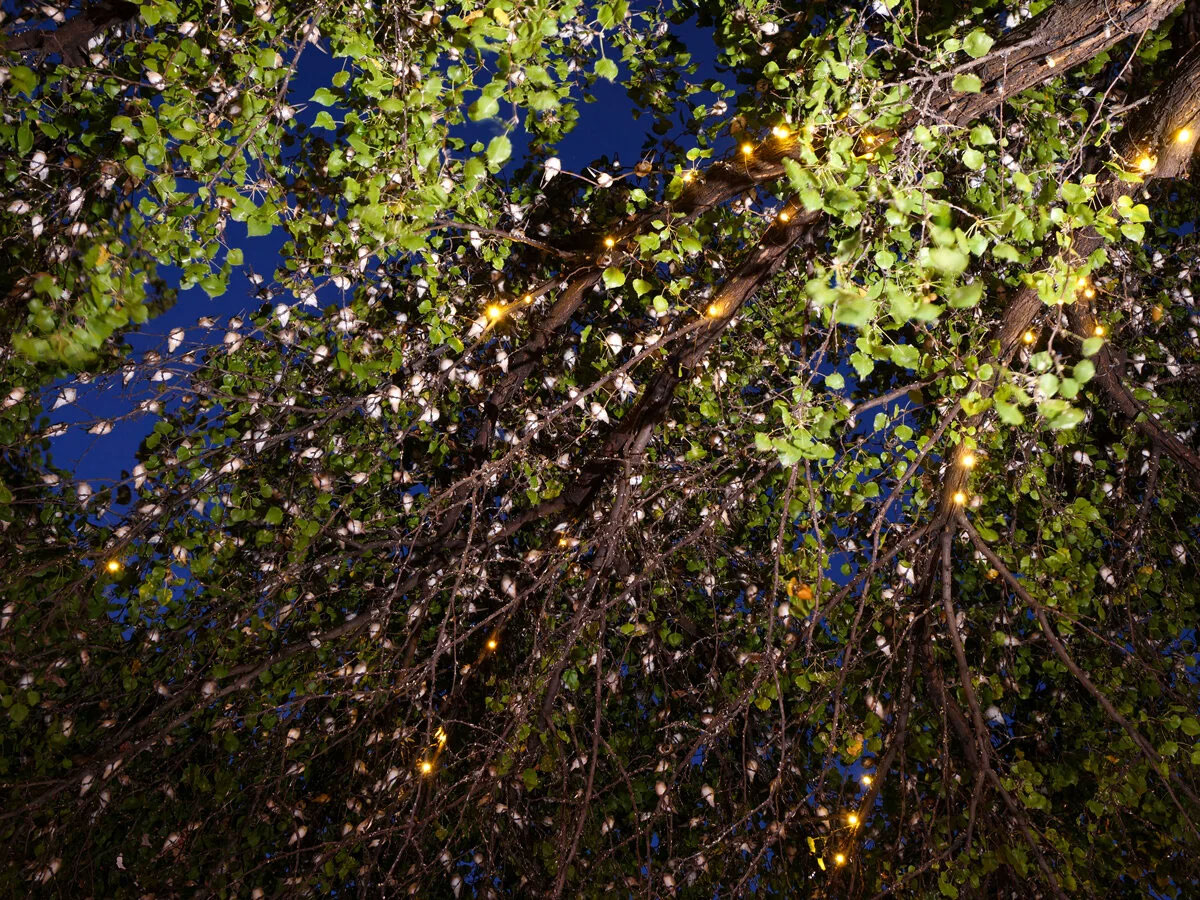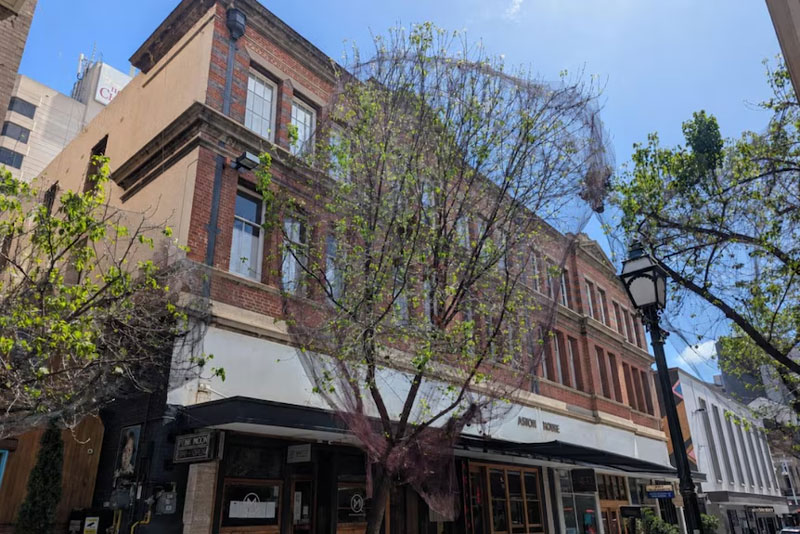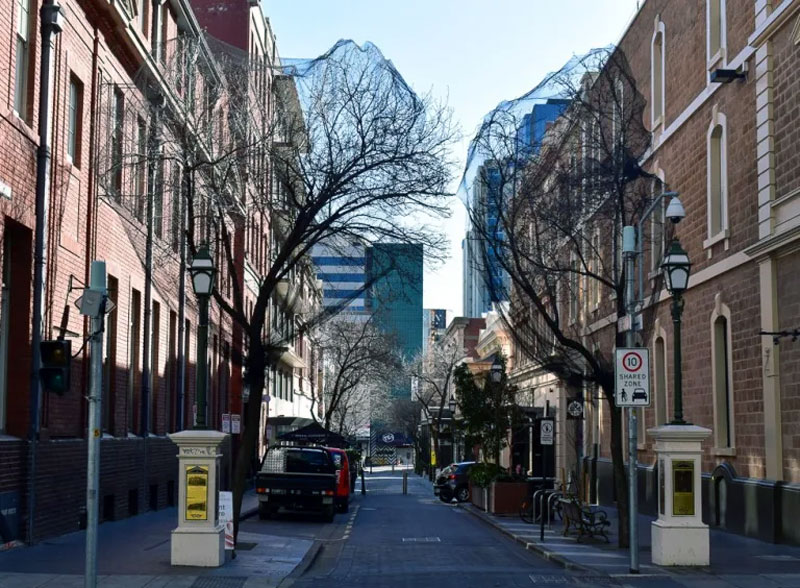
The City of Adelaide commissioned Avisure to help the city manage the increasing number of tree martins which were roosting in the city centre. Adelaide has become home to a remarkable urban wildlife phenomenon: the seasonal arrival of thousands of tree martins (Petrochelidon nigricans). These small, migratory birds form large communal roosts in the heart of the city, particularly in locations like Rundle Mall and Leigh Street. While their presence is a testament to Adelaide’s thriving urban ecology, it also brings unique challenges for businesses, residents and city managers.
Tree martins, small birds similar to swallows, are native to South Australia. They feed on insects, catching flying insects on the wing, and play a vital role in controlling flying insect populations. Their adaptability has allowed them to thrive in both natural and urban environments, making them a symbol of biodiversity in Adelaide.
About five years ago, the tree martins began coming to the city during the warmer months, January to May, to roost, attracted to the trees in Leigh Street, for example, because the nightlife of the busy tourist area deterred predators such as falcons. Since then, their nightly roosting has become a popular seasonal spectacle for residents and visitors alike.
Understandably, with flocks sometimes exceeding 20,000 birds, tree martin roosts can have a significant impact:
- Large volumes of droppings create hygiene and slip hazards, odour and cleaning challenges.
- At dawn and dusk, the sound of 20,000 twittering tree martins can disrupt nearby residents and businesses.
- Urban hazards like windows and wires pose risks of injury or death to the birds.
The City of Adelaide commissioned Avisure to undertake a study over the roosting season 2025-26 and Phil Shaw presented the report at a meeting recently.
The 2025-26 roosting season in Rundle Mall began in December 2025 and continued through July 2026. A portion of the roosting population may remain for the winter, something which has not happened previously in Adelaide.
Approximately 30 tree martins were first observed roosting in Rundle Mall on 15 December 2025, a figure which peaked in February 2026 at around 20,540 birds, before gradually declining.
Avisure triaged 1,773 birds during the roosting season:
- 847 birds were stunned (flying into windows etc.) and released after recovery
- 256 birds were injured and received veterinary care, and
- 670 birds died. This mortality rate represents 3% of the colony at its peak.
The City of Adelaide adopted a two-phase approach to managing the tree martins for the 2025-26 roosting season:
Phase 1 – focused on-ground operational response
Phase 2 – The formal Tree Martin Management Plan that takes a more strategic, longer-term tiered approach, with firstly,
- Minimal intervention, the preferred approach, focusing on monitoring, public education and raising awareness.
- Undertaking practical on-site measures at active roosts, such as regular cleaning, making windows more visible by installing window decals to prevent bird strikes, and setting up exclusion zones to minimise disturbance.
- In high-conflict areas, to prevent birds roosting, strategies like tree netting (outside the roosting season), pruning, or, as a last resort, considering having trained professionals disperse the birds—always prioritising bird welfare and community impact.
Article reference: www.indailysa.com.au