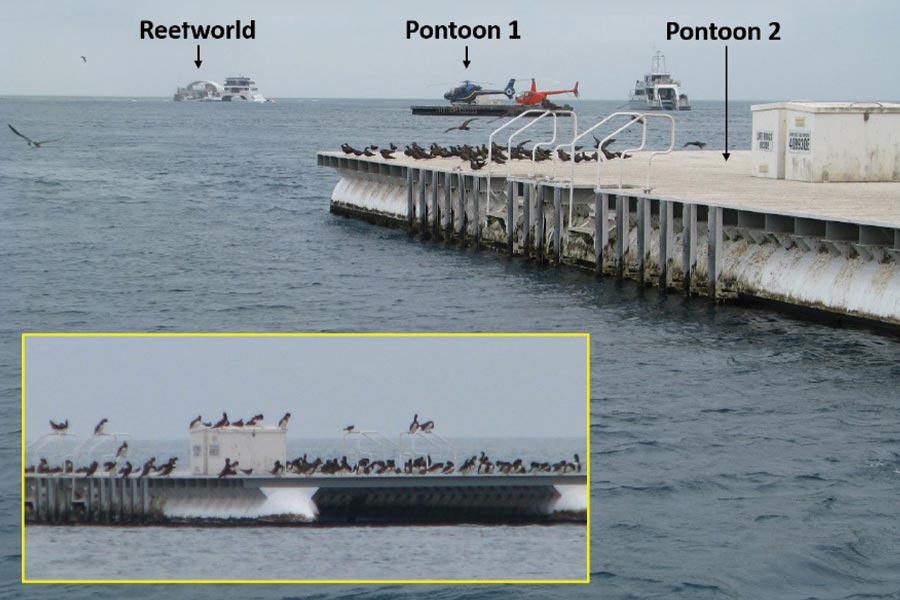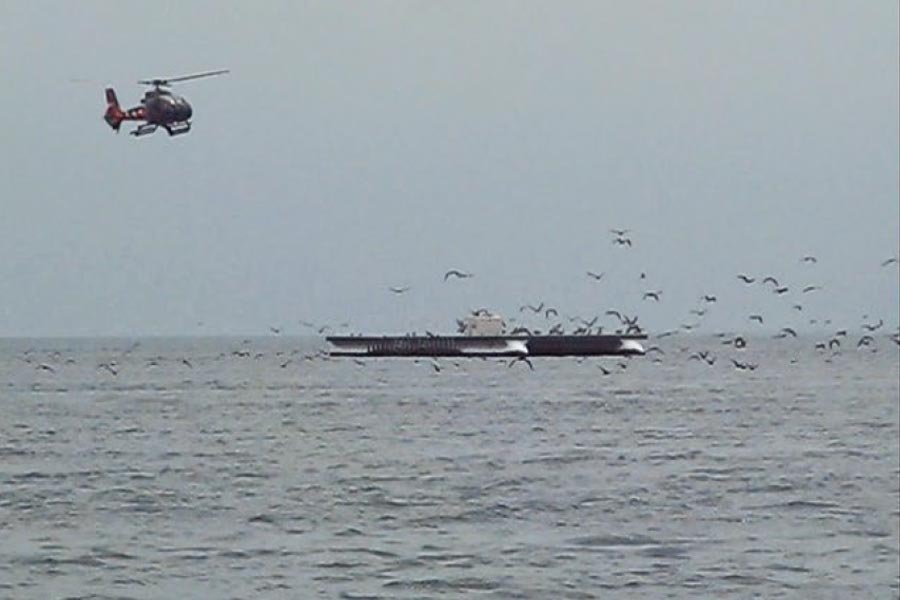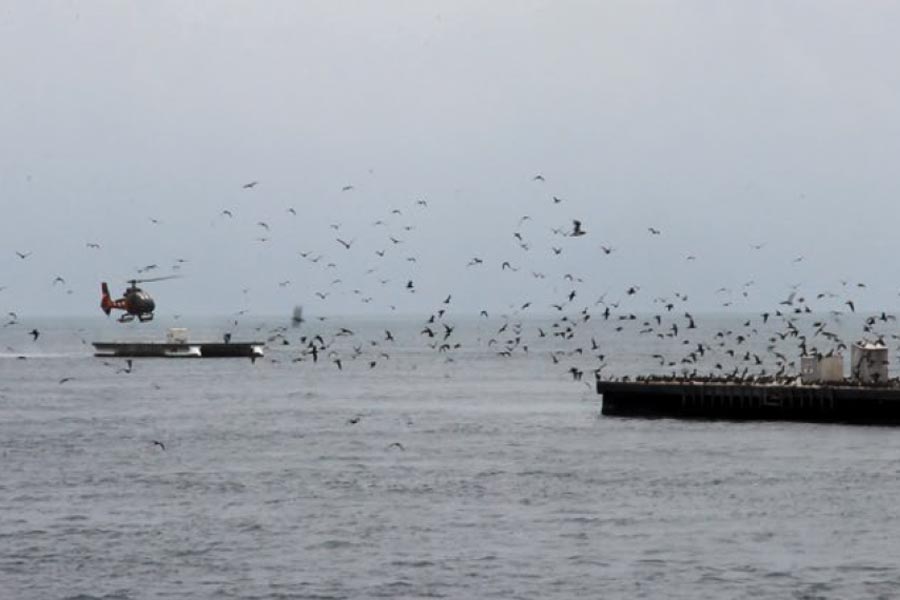
The Whitsunday Air Services helicopter was flying a charter with four passengers from Hamilton Island Airport to Hardy Reef. Approaching the northern pontoon (pontoon 2), the pilot experienced a warning and, during a go-around, rapidly yawed left uncontrollably before crashing into the water. The helicopter rolled to the right, filled with water and sank rapidly. Three of the five occupants (the pilot and two rear seat passengers) escaped with minor injuries; two did not survive.
The Australian Transport Safety Bureau’s report ‘Loss of control and collision with water involving Eurocopter EC120B, VH-WII’ revealed significant shortcomings in the operator’s management of bird hazards at Hardy Reef. https://www.atsb.gov.au/sites/default/files/media/5779875/ao-2018-026-final.pdf
A significant number of birds was often located on the pontoons at Hardy Reef used by the operator, and Hardy Reef was a known hazard. According to the ATSB report, there were ‘three main bird species which routinely landed and rested on the Hardy Reef pontoons:
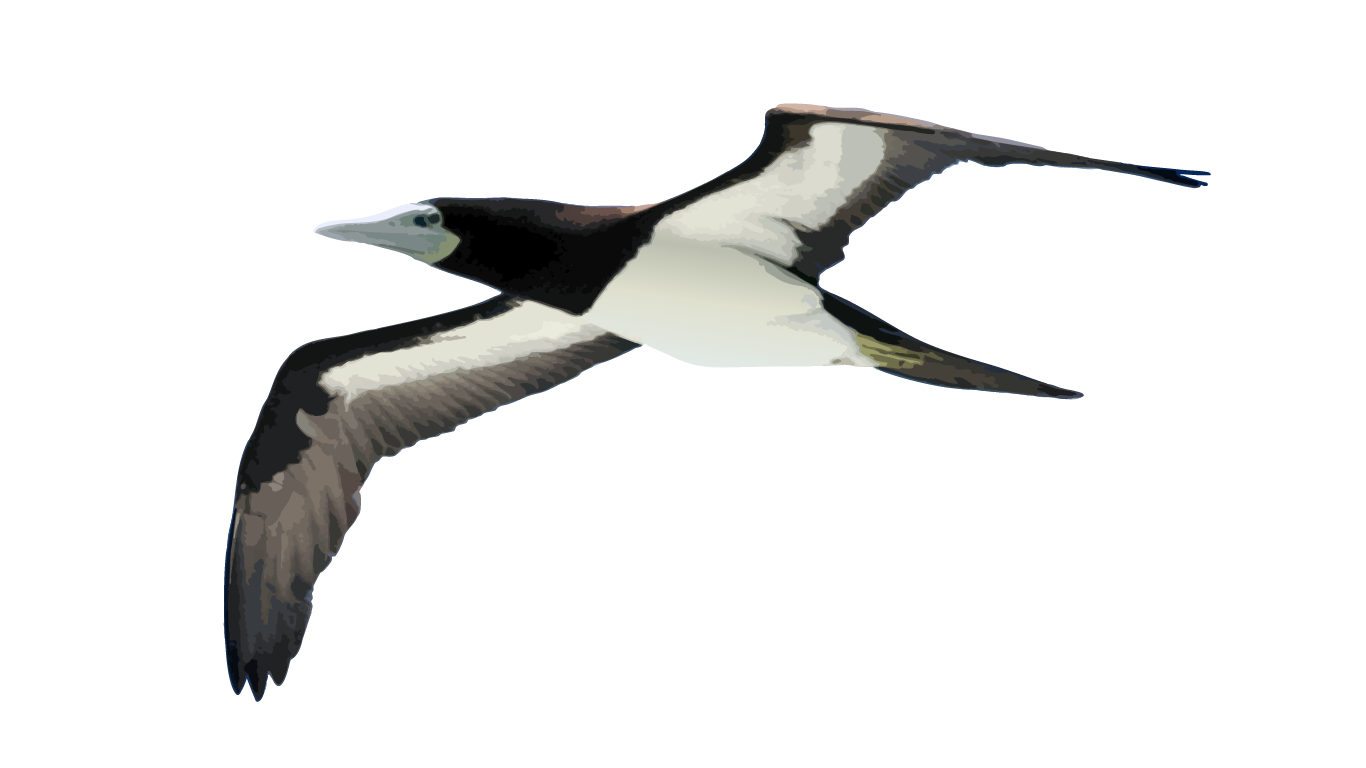
Brown booby
Weight to 1.3 kg
Wingspan to 1.4 m (large)
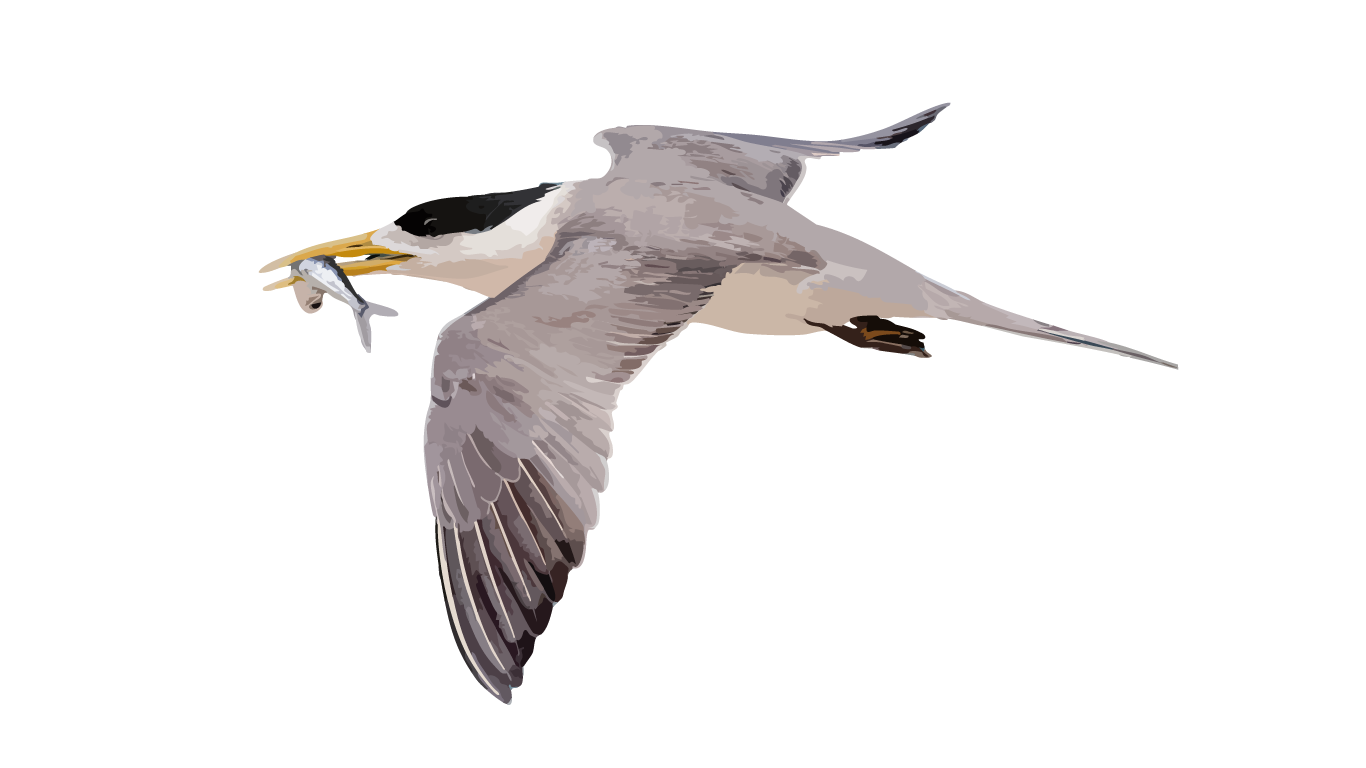
Crested tern
Weight to 0.4 kg
Wingspan to 1.3 m (medium)
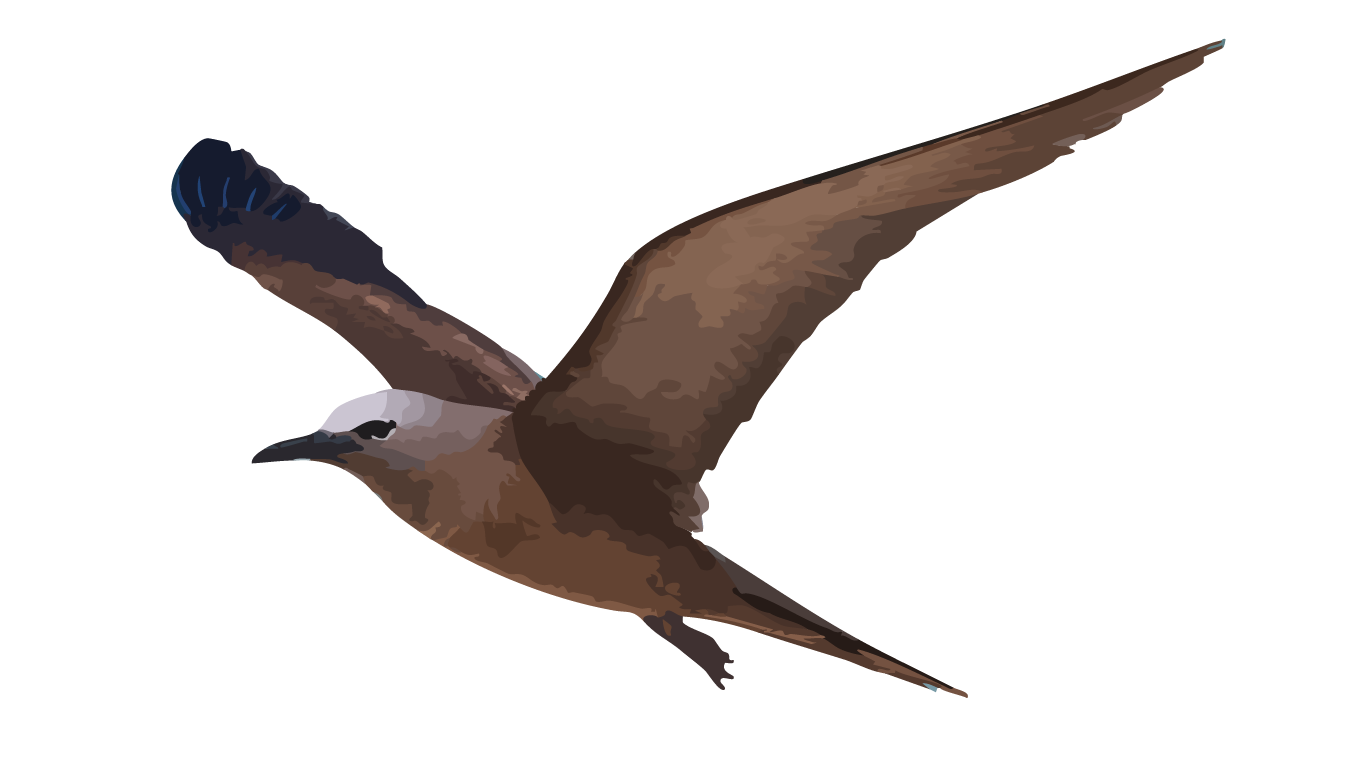
Common Noddy
Weight to 0.2 kg
Wingspan to 0.9 m (medium)
The number of birds varied according to the season (with numbers increasing during the wet season from November to April) and the tide. At low tide, the birds were generally absent from the pontoons feeding on exposed reef, and as the tide rose, they would use the pontoons as a resting place. Therefore, there was some ability to predict the prevalence given the time of year and the tide. At the time of the accident, it was mid-tide and in the wet season.’
Despite this known environment, the operator did not carry out formal risk assessments of the birdstrike risk, nor did they systematically record all strikes, which ‘based on the information provided by pilots, probably occurred at the operator’s Hardy Reef pontoons multiple times per year’. Nor did they analyse them. Whitsunday Air Services also did not report such birdstrikes to the ATSB, a mandatory requirement for operations involving passenger charter flights. This lack of documentation compromised their ability to identify trends, assess ongoing risks, and implement and monitor effective safety mitigation, and more broadly, by not reporting to the ATSB, restricted oversight and limited wider industry awareness of the hazard.
Pilots relied on informal practices, such as approaching pontoons slowly to disperse birds, which increased workload and reduced safety margins during critical phases of flight. The operator also provided limited guidance to pilots about what to do if an actual or suspected birdstrike occurred. Maintenance and post-birdstrike inspection procedures were inadequate, as pilots were expected to inspect helicopters without proper equipment or clear guidance, especially following suspected birdstrikes.
Whitsunday Air Services has since adopted a safety management system, appointed a safety manager, updated its operations manual with specific bird hazard management requirements, and trained line pilots on pontoon operations including bird avoidance.
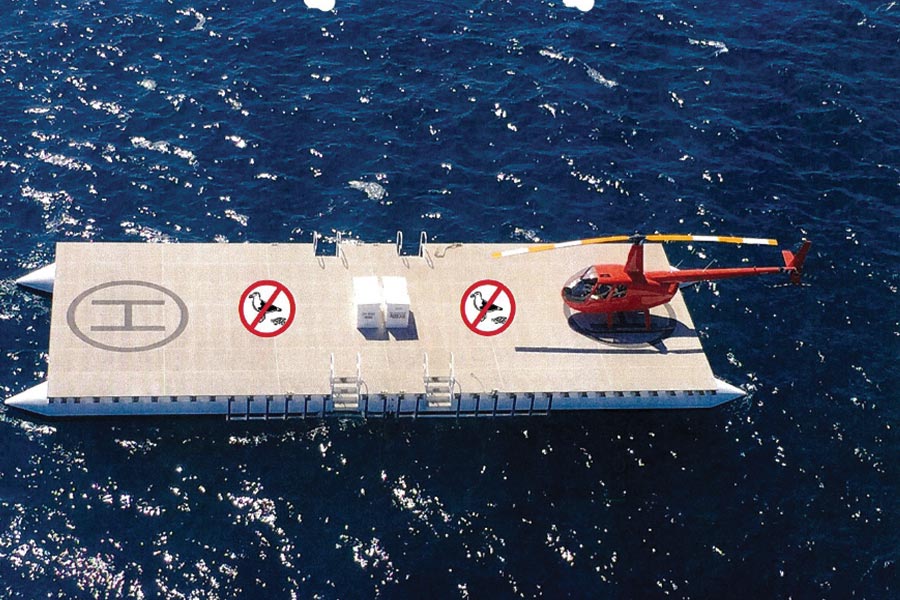
What is striking, however, is that there is little mention in all this of the many options to reduce bird activity on offshore landing pontoons and platforms – notorious for their bird attraction. Onsite, remotely controlled dispersal equipment can and should be deployed to these high-risk landing areas, for example.