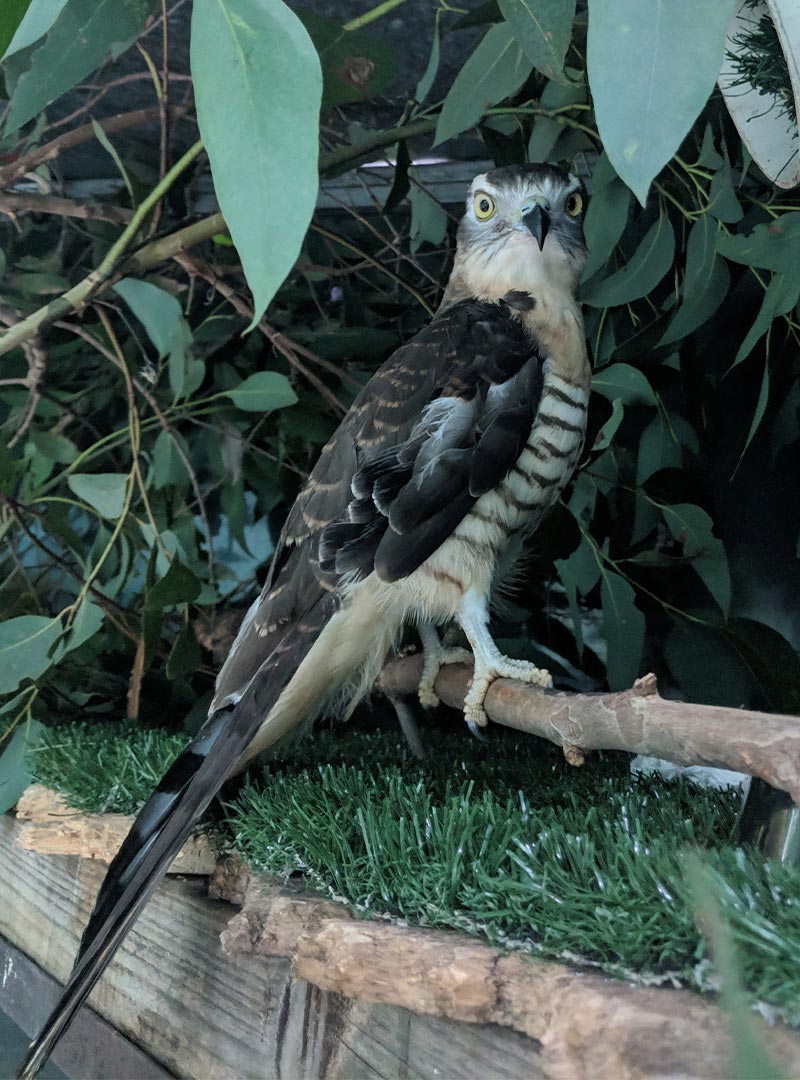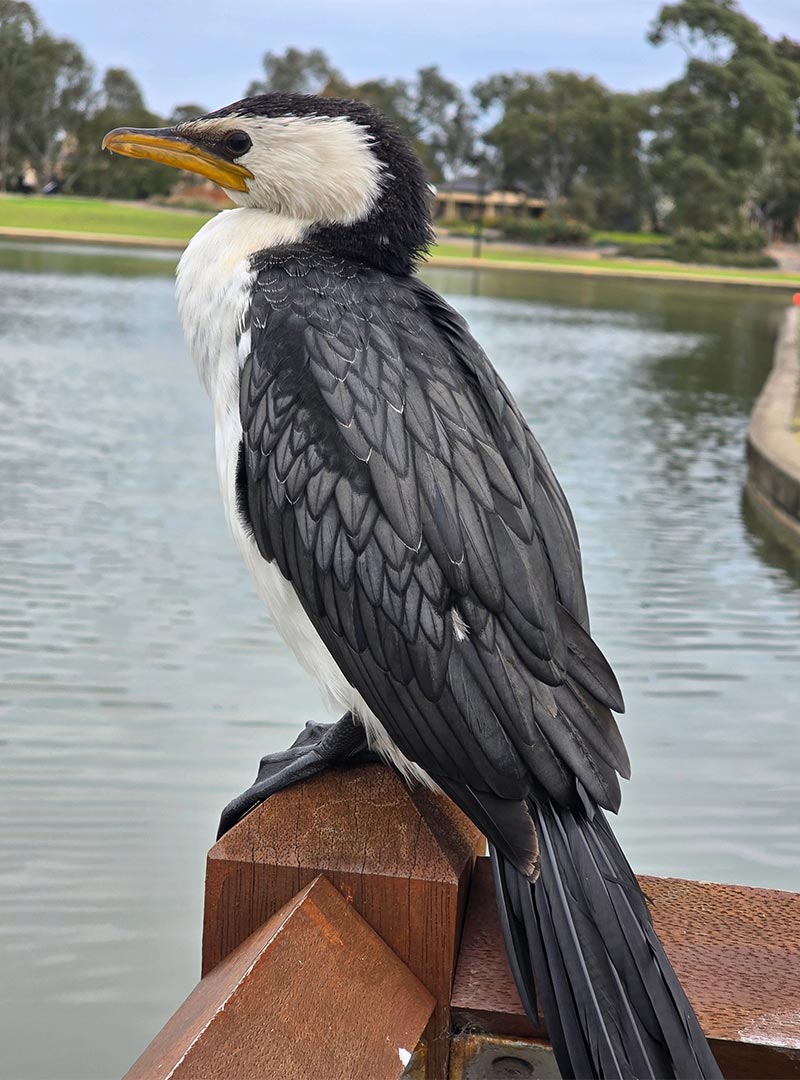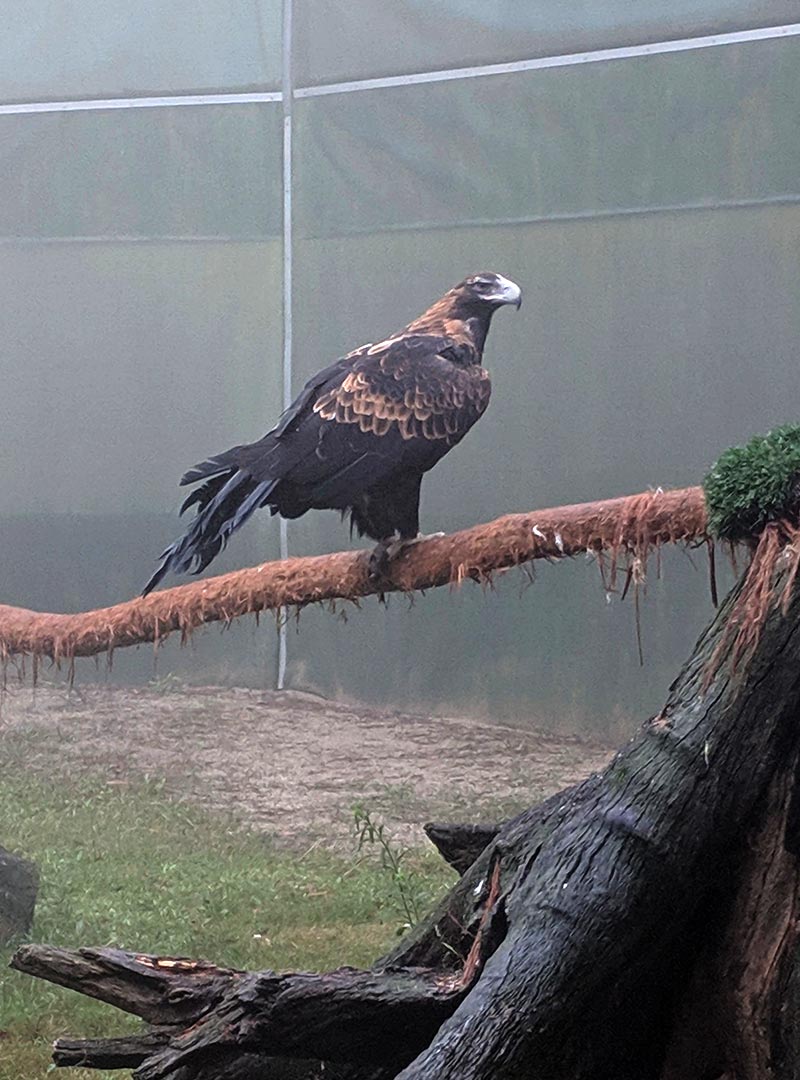
Heidi was born in rural NSW and completed her Bachelor of Animal Science degree at Charles Sturt University, Wagga Wagga. During her degree, her love of birds surfaced when she did a work experience placement at Higher Ground Raptor Centre, an Australian bird of prey rehabilitation, release and education facility in the southern Highlands of NSW. ‘The more I watched the wedge-tailed eagles and sea eagles that had come in with various injuries, the more I was in awe of these birds – they’re so much more complex than you realise.’ At the Centre, the founder, Peggy McDonald, has built the only round aviary in the Southern Hemisphere, which Heidi explained, helps in their recuperation. ‘It encourages continuous flight, so that they can become stronger, and it’s obvious from watching them when they are ready to be released.’
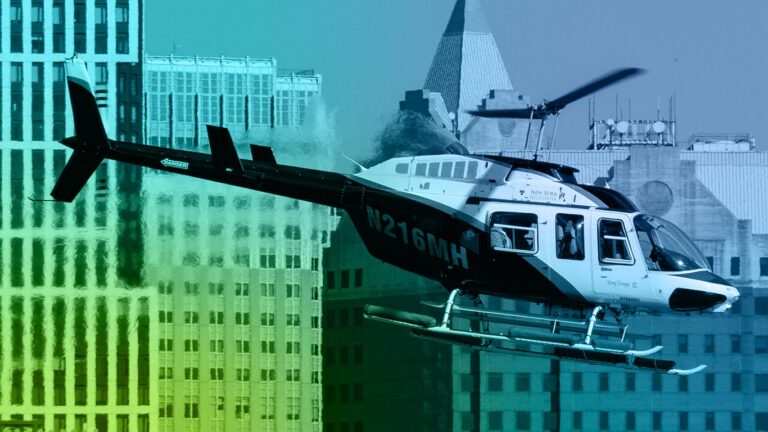
Around this this time too, Heidi became friends with a former licensed aircraft maintenance engineer and used to make some extra money during the fire season washing firefighting helicopters. Among the people Heidi met then was the chief pilot of NSW Helicopters, Carl Hearps, whom she described as a ‘lovely, incredible guy’. Wildlife-aviation conflict was brought home intensely with Carl Hearps’ death when his Bell 206 Longranger crashed after hitting a wedge-tailed eagle.
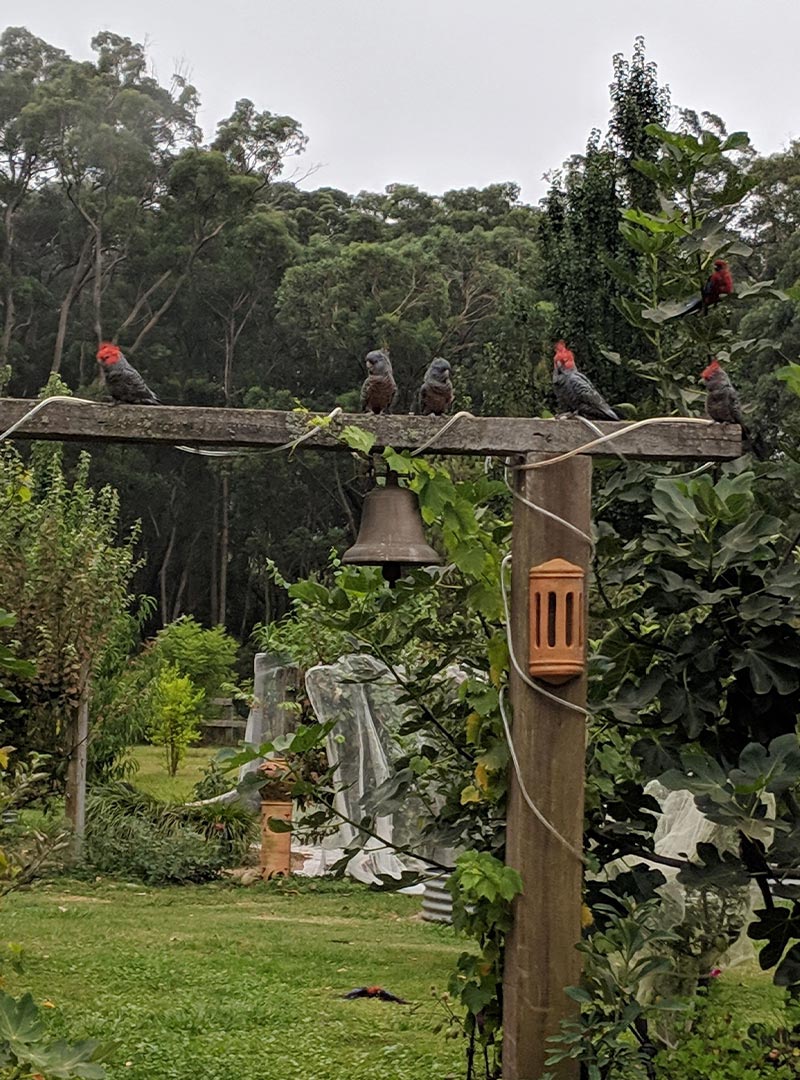
‘It’s fantastic to be able to observe a whole new variety of species, go onto all the different sites, and have the opportunity to observe what they’re doing in their natural habitat.’
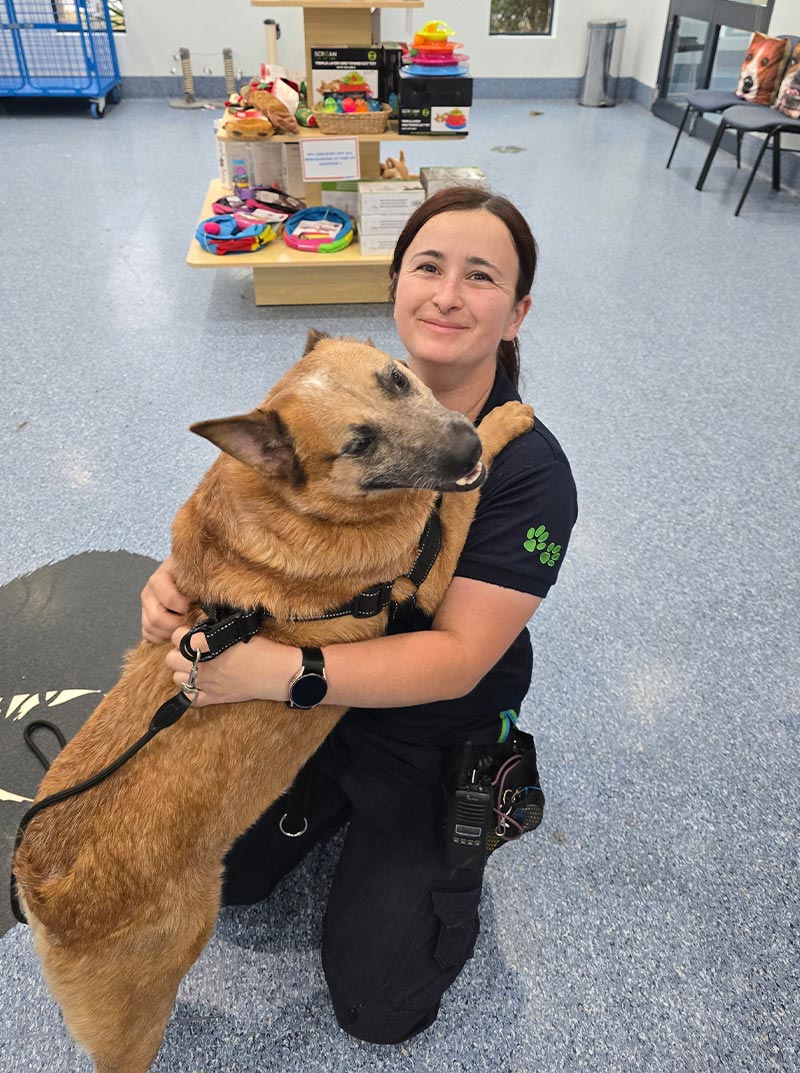
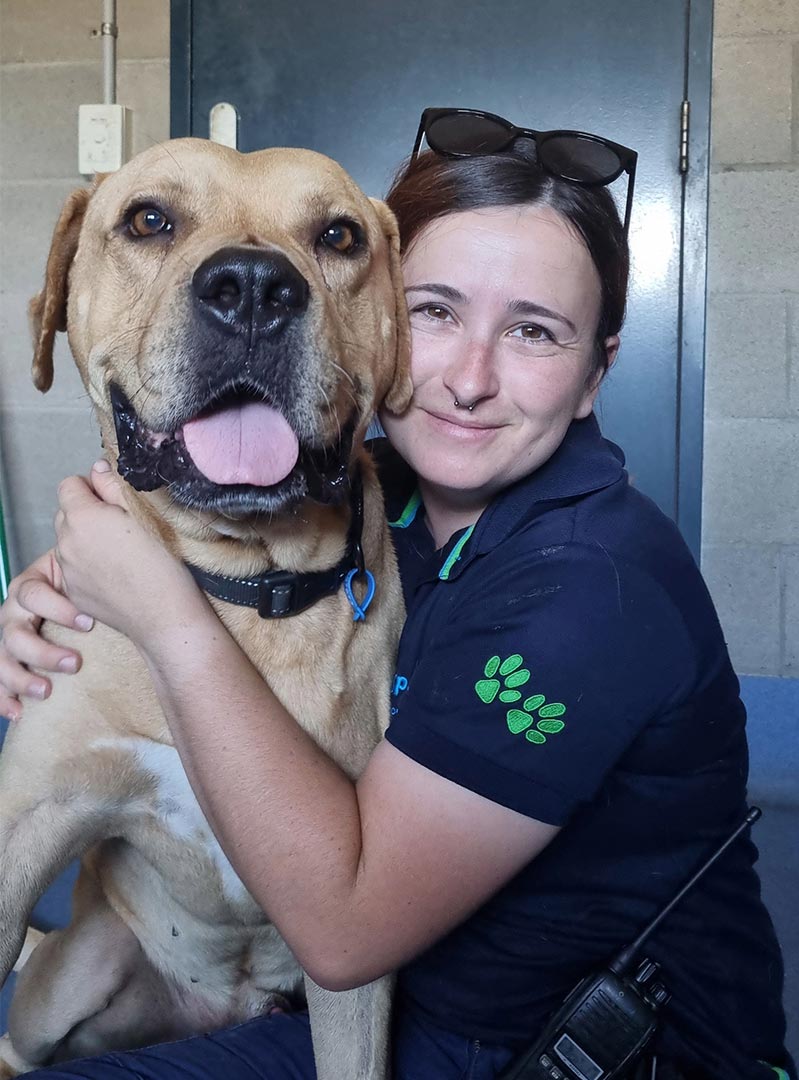
After a move to Newcastle, Heidi worked with the RSPCA for three years, honing her animal behaviour expertise in rehabilitating dangerous, difficult and fearful dogs, so that they could overcome their anxieties, and giving them a second chance to go to ‘furever’ homes. However, she had reached a point where she felt she needed to challenge herself, and when the job at Avisure came up, the planets aligned. ‘I am so lucky’, Heidi said. ‘It put all my skills and passions into one bundle.’
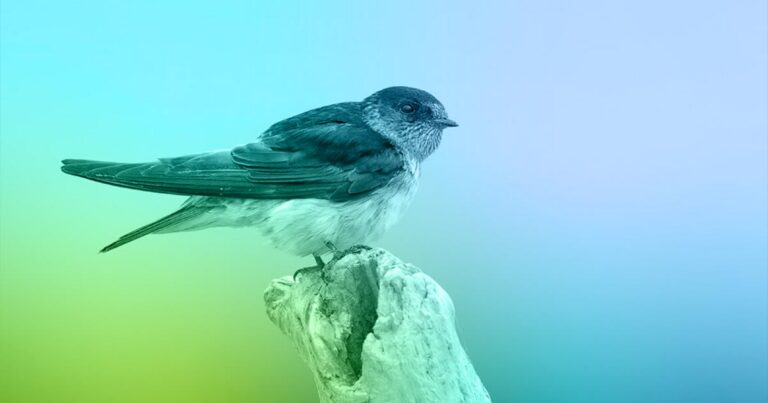
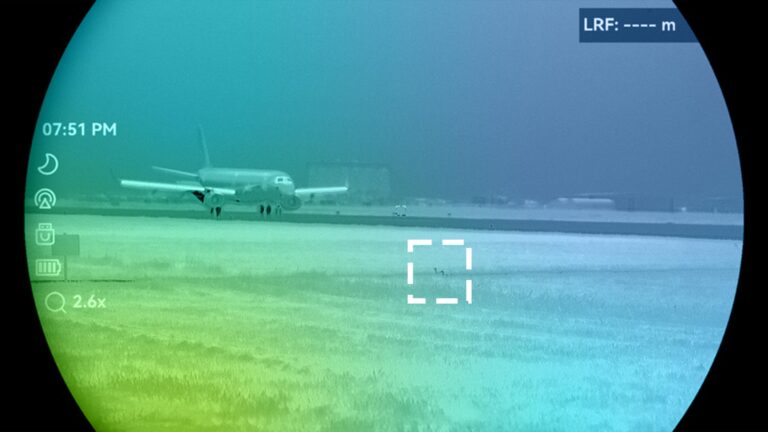
Initially, Heidi spent a lot of time out in the field doing wildlife hazard management monitoring, surveys etc, but her focus has now shifted to more desk-based work: writing reports, wildlife hazard management assessments and plans, as well as managing a team of six. She is very pleased to have been part of the work Avisure did recently in conjunction with the Adelaide City Council on managing the city’s influx of tree martins. ‘It’s been a terrific opportunity working on the tree martin management plan, the first plan of its type. It’s incredible to have 20,000 birds in a place as crazy (busy) as Rundle Mall.’ (See the AviNews article about this work with tree martins: ‘Keeping a city wild’)
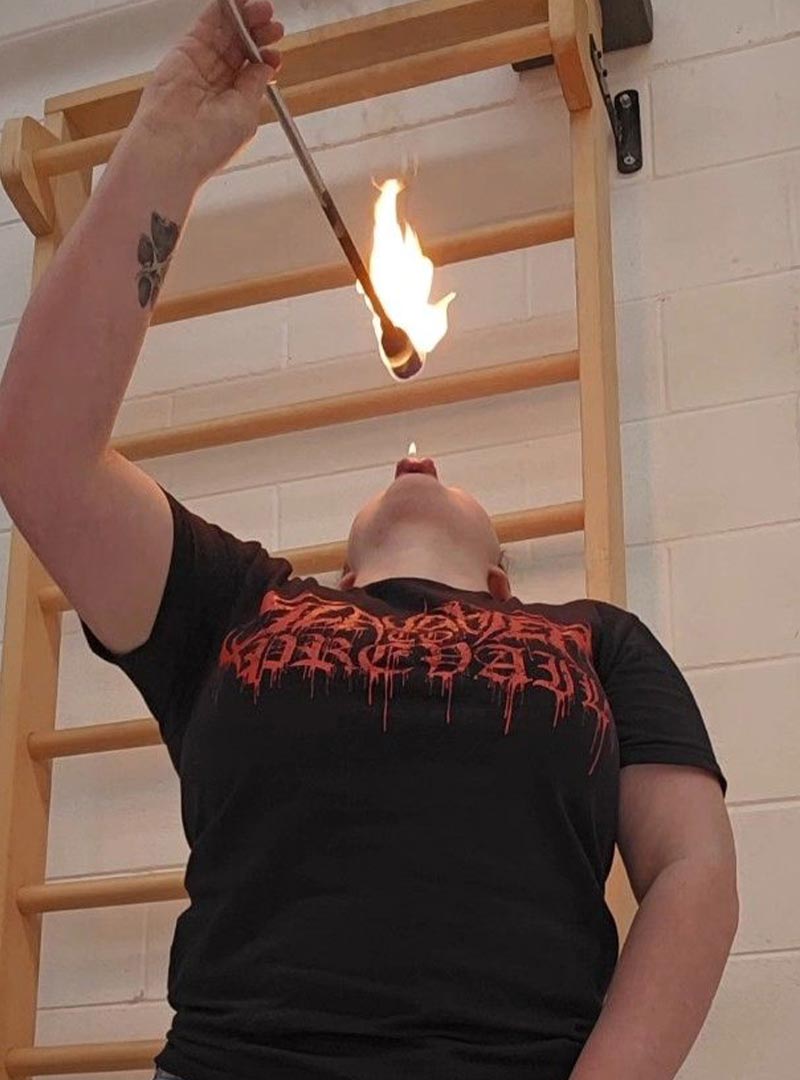
And what’s a fun fact most people won’t know about her? Well, Heidi has learned how to eat fire, something she describes taking on as ‘a challenge to face my fears when I turned 30 and now a random hobby I do each month. Secondly, I have also learned how to dry mount butterflies and bugs.’